




What is the effect of the filling rate on the mixing performance of a trough mixer?
 Dec 02, 2025|
As a provider of trough mixers, I've witnessed firsthand the critical role that the filling rate plays in the overall mixing performance of these machines. In this blog post, I'll delve into the effects of the filling rate on the mixing performance of a trough mixer, offering insights based on years of experience in the industry.
Understanding the Trough Mixer
Before we explore the impact of the filling rate, let's briefly understand what a trough mixer is. A trough mixer is a common piece of equipment used in various industries, including food, pharmaceutical, and chemical industries. It consists of a U-shaped trough and a mixing shaft with paddles or blades. The mixing shaft rotates, causing the materials inside the trough to be stirred and mixed.
The Concept of Filling Rate
The filling rate refers to the ratio of the volume of the materials loaded into the trough mixer to the total volume of the trough. For example, if a trough has a total volume of 100 liters and 50 liters of materials are loaded, the filling rate is 50%. The filling rate can significantly affect the mixing efficiency, quality, and even the mechanical wear of the trough mixer.
Effects on Mixing Efficiency
One of the most obvious effects of the filling rate on the mixing performance is its impact on mixing efficiency. When the filling rate is too low, say below 20%, the materials in the trough have a large amount of free space to move. This can lead to a situation where the materials are simply tossed around rather than being effectively mixed. The mixing paddles may not come into contact with enough materials, resulting in a longer mixing time to achieve a homogeneous mixture.
On the other hand, when the filling rate is too high, for instance above 80%, the materials are overcrowded in the trough. The movement of the materials is restricted, and the mixing paddles may face excessive resistance. This can cause the motor to work harder, increase energy consumption, and also lead to uneven mixing. The materials in the center of the trough may not be well - mixed due to the lack of sufficient movement space.
An optimal filling rate, typically between 30% - 60%, allows the materials to have enough space to move and interact with each other while ensuring that the mixing paddles can effectively stir the materials. At this filling rate, the mixing time is minimized, and the mixing efficiency is maximized.
Effects on Mixing Quality
The filling rate also has a profound impact on the mixing quality. A proper filling rate ensures that all components of the mixture are evenly distributed. When the filling rate is within the optimal range, the materials can be thoroughly blended, resulting in a uniform mixture in terms of particle size, density, and composition.
If the filling rate is too low, there may be a higher chance of segregation. For example, in a mixture of powders with different particle sizes, the larger particles may settle at the bottom while the smaller ones float on top. This segregation can lead to an inconsistent product quality.
Conversely, a high filling rate can cause local over - mixing or under - mixing. Some areas of the mixture may be subjected to excessive shearing forces, while other areas may not be mixed at all. This can result in a non - uniform product, which is unacceptable in industries where product consistency is crucial, such as the pharmaceutical industry.
Effects on Mechanical Wear
The filling rate can also affect the mechanical wear of the trough mixer. When the filling rate is too high, the increased resistance on the mixing paddles and the shaft can cause excessive stress on the mechanical components. This can lead to premature wear of the bearings, gears, and other moving parts. Additionally, the motor may overheat due to the increased load, reducing its lifespan.
In contrast, a very low filling rate may cause the mixing paddles to operate in an unloaded or under - loaded condition. This can lead to uneven wear on the paddles as they are not constantly in contact with the materials. Over time, this can also affect the overall performance of the mixer.
Comparing with Other Mixers
It's interesting to compare the trough mixer with other types of mixers in terms of the filling rate and its effects. For example, the One Dimensional Mixer typically has a different operating principle. It mainly relies on the linear movement of the mixing container to mix the materials. The filling rate requirements for a one - dimensional mixer may be different from those of a trough mixer, as the way materials are moved and mixed is distinct.
The Lifting Hopper Mixer uses a hopper that is lifted and rotated to achieve mixing. The filling rate of a lifting hopper mixer needs to be carefully controlled to ensure that the materials can be properly tumbled and mixed during the lifting and rotation process.
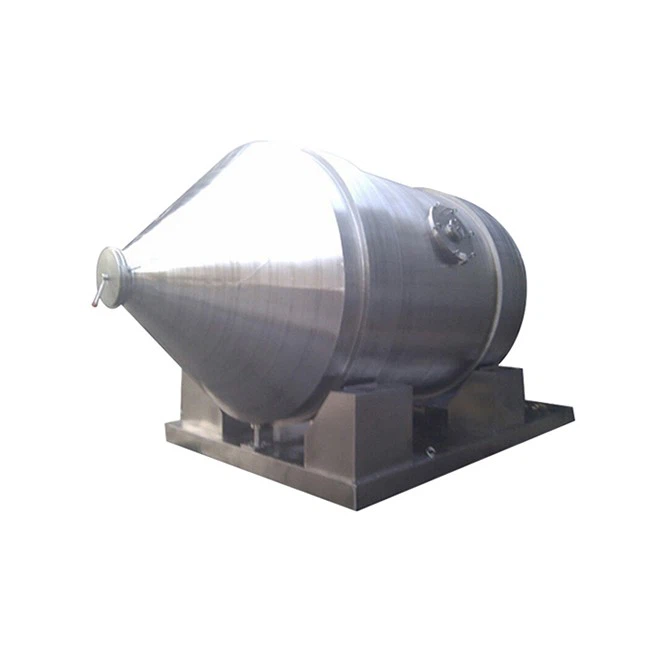
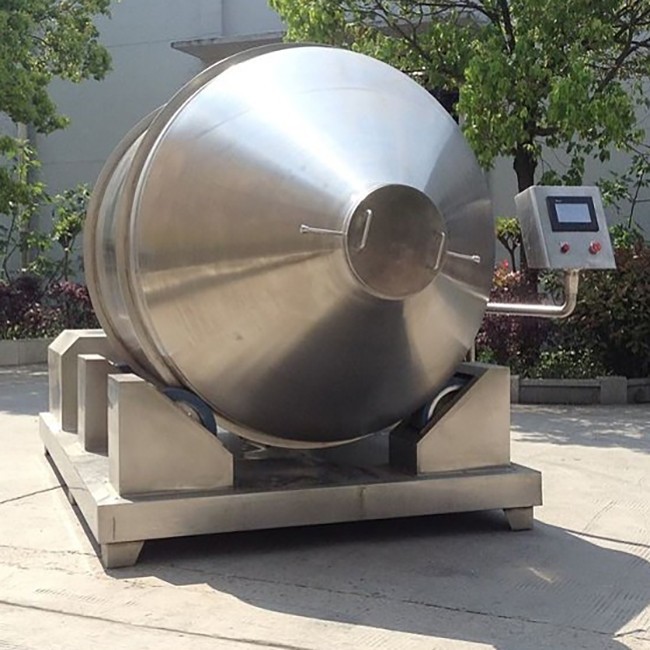
The Double Cone Mixer Machine works by rotating a double - cone shaped container. The filling rate for a double - cone mixer also affects the mixing performance, but the optimal filling rate may vary depending on the size and design of the mixer.
Conclusion and Call to Action
In conclusion, the filling rate is a crucial factor that significantly affects the mixing performance of a trough mixer. By carefully controlling the filling rate, we can improve the mixing efficiency, enhance the mixing quality, and reduce the mechanical wear of the mixer.
If you're in the market for a trough mixer or need more information on how to optimize the filling rate for your specific application, we're here to help. Our team of experts has extensive knowledge and experience in the field of mixing equipment. We can provide you with customized solutions based on your requirements. Contact us today to start a discussion about your mixing needs and explore how our trough mixers can meet your production goals.
References
- Smith, J. (2018). Mixing Technology in the Food Industry. Elsevier.
- Brown, A. (2019). Pharmaceutical Mixing Equipment: Principles and Applications. Wiley.
- Chen, L. (2020). Study on the Mixing Performance of Trough Mixers under Different Filling Rates. Journal of Chemical Engineering.