




How to choose the right One Dimensional Mixer?
 Nov 20, 2026|
When it comes to the world of mixing equipment, a one-dimensional mixer stands as a reliable and efficient solution for various industries. As a supplier of one-dimensional mixers, I understand the importance of choosing the right equipment for your specific needs. In this blog, I'll guide you through the key factors to consider when selecting a one-dimensional mixer, ensuring that you make an informed decision that aligns with your production requirements.
Understanding One Dimensional Mixers
One-dimensional mixers, also known as single-axis mixers, operate on a single axis of rotation. They are designed to blend different materials evenly by moving them in a consistent, unidirectional manner. These mixers are commonly used in industries such as pharmaceuticals, food processing, chemicals, and cosmetics, where the uniform mixing of powders, granules, and other dry materials is crucial.
The basic principle behind a one-dimensional mixer is simple yet effective. The mixing chamber rotates around a single axis, causing the materials inside to tumble and mix. This continuous movement ensures that all particles are evenly distributed, resulting in a homogeneous mixture. One-dimensional mixers come in various sizes and configurations, allowing for flexibility in different production settings.
Factors to Consider When Choosing a One Dimensional Mixer
1. Capacity
The first factor to consider is the capacity of the mixer. This is determined by the volume of materials you need to mix at one time. It's important to choose a mixer with a capacity that can handle your production requirements without overloading. If you choose a mixer with a capacity that is too small, you may need to run multiple batches, which can be time-consuming and inefficient. On the other hand, a mixer with a capacity that is too large may lead to uneven mixing and wasted energy.
2. Mixing Efficiency
Mixing efficiency is another crucial factor. A good one-dimensional mixer should be able to achieve a high degree of homogeneity in a relatively short period. Look for mixers that have well-designed mixing blades or agitators that can effectively move the materials and promote thorough mixing. Some mixers may also come with additional features such as baffles or internal structures that enhance the mixing process.
3. Material Compatibility
The materials you plan to mix will also influence your choice of mixer. Different materials have different properties, such as particle size, density, and flowability. Make sure the mixer you choose is compatible with the materials you'll be using. For example, if you're mixing abrasive materials, you'll need a mixer with a durable lining to prevent wear and tear. If you're working with heat-sensitive materials, you may need a mixer with temperature control capabilities.
4. Ease of Cleaning
Cleaning is an important aspect of mixer maintenance. A mixer that is easy to clean will save you time and effort, and also help prevent cross-contamination between different batches. Look for mixers with smooth surfaces, removable parts, and easy access to the mixing chamber. Some mixers may also have self-cleaning features or be designed for quick disassembly and reassembly.
5. Safety Features
Safety should always be a top priority when choosing any piece of equipment. A one-dimensional mixer should have appropriate safety features to protect operators from potential hazards. This may include features such as emergency stop buttons, safety guards, and interlocks. Make sure the mixer meets all relevant safety standards and regulations.
6. Cost
Cost is, of course, an important consideration. You'll need to balance the initial purchase price of the mixer with its long-term operating costs. Consider factors such as energy consumption, maintenance requirements, and the cost of replacement parts. While it may be tempting to choose the cheapest option, it's important to remember that a high-quality mixer may offer better performance and durability in the long run.
Comparing One Dimensional Mixers with Other Mixer Types
It's also helpful to compare one-dimensional mixers with other types of mixers, such as Three Dimensional Mixer and Lifting Hopper Mixer.
Three-dimensional mixers, as the name suggests, operate on multiple axes of rotation. This allows for a more complex and thorough mixing process, making them suitable for applications where a high degree of homogeneity is required. However, they are generally more expensive and may require more maintenance compared to one-dimensional mixers.

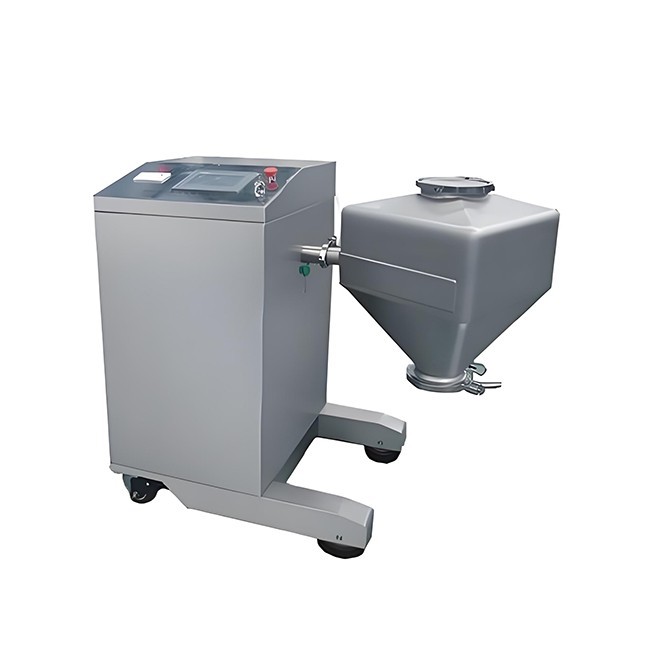
Lifting hopper mixers are designed to lift and mix materials in a hopper. They are often used in industries where large quantities of materials need to be mixed. While they offer high capacity and efficient mixing, they may not be as suitable for small-scale or laboratory applications.
For laboratory applications, a Laboratory Hopper Mixer may be a more appropriate choice. These mixers are designed for smaller volumes and are often used for research and development purposes. They typically offer precise control over the mixing process and are easy to operate.
Making the Right Choice
Once you've considered all the factors above, it's time to make a decision. Here are some steps to help you choose the right one-dimensional mixer:
- Define your requirements: Clearly outline your production needs, including the type of materials you'll be mixing, the volume of materials, and the desired mixing efficiency.
- Research different models: Look for mixers that meet your requirements and compare their features, specifications, and prices. You can also read reviews and testimonials from other users to get an idea of the performance and reliability of different models.
- Request a demonstration: If possible, request a demonstration of the mixer to see it in action. This will give you a better understanding of how the mixer works and whether it meets your needs.
- Consider after-sales support: Make sure the supplier offers good after-sales support, including maintenance, repair, and technical assistance. This will ensure that your mixer continues to perform well over time.
Conclusion
Choosing the right one-dimensional mixer is a crucial decision that can have a significant impact on your production process. By considering factors such as capacity, mixing efficiency, material compatibility, ease of cleaning, safety features, and cost, you can select a mixer that meets your specific needs. Comparing one-dimensional mixers with other mixer types can also help you make an informed decision.
If you're in the market for a one-dimensional mixer, I encourage you to reach out to us. As a supplier of high-quality mixing equipment, we have a wide range of one-dimensional mixers to choose from, and our team of experts can help you find the right solution for your business. Contact us today to start the conversation and take the first step towards improving your mixing process.
References
- Smith, J. (2020). Mixing Technology in the Pharmaceutical Industry. Journal of Pharmaceutical Sciences, 109(3), 901-913.
- Johnson, A. (2019). Advances in Food Mixing Equipment. Food Technology, 73(11), 45-52.
- Brown, C. (2018). Chemical Mixing: Principles and Applications. Chemical Engineering Journal, 345, 234-245.