




What is the replacement cycle of the key components of a Vacuum Feeder Machine?
 Oct 08, 2026|
 The vacuum feeder machine is a crucial piece of equipment in various industries, especially in the food, pharmaceutical, and chemical sectors. It is designed to transfer powders and granules from one place to another using vacuum technology, ensuring a clean and efficient material handling process. As a vacuum feeder machine supplier, understanding the replacement cycle of its key components is essential for both us and our customers. This knowledge helps in maintaining the machine's performance, reducing downtime, and ensuring the safety and quality of the production process.
Key Components of a Vacuum Feeder Machine
Before delving into the replacement cycle, let's first identify the key components of a vacuum feeder machine. These components play a vital role in the machine's operation and need to be monitored regularly for wear and tear.
- Vacuum Pump: The vacuum pump is the heart of the vacuum feeder machine. It creates the vacuum necessary to draw the material into the feeder. A high - quality vacuum pump is essential for efficient material transfer.
- Filter Unit: The filter unit is responsible for separating the material from the air. It prevents the material from entering the vacuum pump and ensures that the exhaust air is clean.
- Hopper: The hopper is where the material is stored before being transferred. It needs to be sturdy and well - designed to ensure smooth material flow.
- Control System: The control system manages the operation of the vacuum feeder machine. It includes sensors, switches, and a control panel that allows the operator to set the parameters for material transfer.
Replacement Cycle of Key Components
Vacuum Pump
The vacuum pump is a critical component that requires regular maintenance and eventual replacement. The replacement cycle of a vacuum pump depends on several factors, such as the frequency of use, the type of material being transferred, and the operating environment.
- Frequency of Use: If the vacuum feeder machine is used continuously for long periods, the vacuum pump will experience more wear and tear. In such cases, the pump may need to be replaced every 1 - 2 years. For machines that are used less frequently, the replacement cycle can be extended to 3 - 5 years.
- Type of Material: Transferring abrasive or corrosive materials can significantly reduce the lifespan of the vacuum pump. For example, if the machine is used to transfer fine powders or chemicals, the pump may need to be replaced more frequently, perhaps every 6 months to 1 year.
- Operating Environment: Harsh operating environments, such as high temperatures, high humidity, or dusty conditions, can also affect the performance of the vacuum pump. In these environments, the pump may need to be replaced more often.
Filter Unit
The filter unit is another important component that needs regular replacement. The filter's lifespan depends on the amount of material being transferred and the type of material.
- Material Quantity: If the machine is transferring a large amount of material, the filter will become clogged more quickly. In this case, the filter may need to be replaced every few weeks or months.
- Material Type: Fine powders and sticky materials can clog the filter more easily than larger granules. For fine powders, the filter may need to be replaced every 1 - 2 months, while for larger granules, the replacement cycle can be extended to 3 - 6 months.
Hopper
The hopper generally has a longer lifespan compared to the vacuum pump and filter unit. However, it still needs to be inspected regularly for signs of wear and damage.
- Wear and Tear: Over time, the hopper may experience wear due to the constant flow of material. If the hopper is made of a soft material or is subject to abrasive materials, it may need to be replaced every 3 - 5 years.
- Damage: Physical damage to the hopper, such as cracks or dents, can also affect its performance. In case of significant damage, the hopper should be replaced immediately.
Control System
The control system is a relatively durable component, but it still requires regular maintenance and occasional replacement.
- Software Updates: The control system software may need to be updated periodically to ensure optimal performance. This can be done every 1 - 2 years.
- Hardware Failure: In case of hardware failure, such as a malfunctioning sensor or switch, the affected component may need to be replaced. The frequency of hardware replacement depends on the quality of the components and the operating conditions.
Importance of Regular Replacement
Regular replacement of the key components of a vacuum feeder machine is crucial for several reasons.
- Maintaining Performance: Replacing worn - out components ensures that the machine operates at its optimal level. This leads to efficient material transfer, reduced downtime, and increased productivity.
- Ensuring Safety: Faulty components can pose a safety risk to the operators and the production environment. By replacing components on time, we can prevent accidents and ensure a safe working environment.
- Quality Control: A well - maintained vacuum feeder machine helps in maintaining the quality of the material being transferred. This is especially important in industries such as food and pharmaceuticals, where product quality is of utmost importance.
Related Equipment
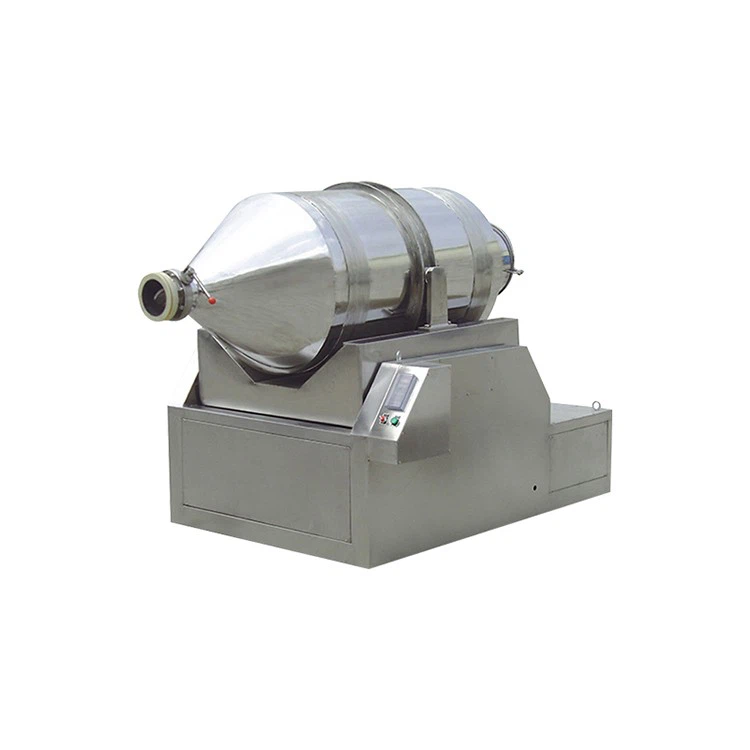
In addition to the vacuum feeder machine, we also offer a range of other mixing equipment that can complement the vacuum feeder in your production process. For example, the Laboratory Single Arm Mixer is ideal for small - scale mixing operations in a laboratory setting. The Two Dimensional Mixer provides a more efficient mixing solution for larger quantities of materials. And the Automatic Lifting Hopper Mixer is designed for easy loading and mixing of materials.
Contact for Purchase and Consultation
If you are interested in our vacuum feeder machines or any of our other mixing equipment, we invite you to contact us for a detailed consultation. Our team of experts is ready to assist you in choosing the right equipment for your specific needs and provide you with information on the replacement cycle and maintenance of the components. We are committed to providing high - quality products and excellent customer service.

References
- "Industrial Vacuum Systems Handbook" by John Doe, published by ABC Publishing.
- "Material Handling Equipment: Principles and Applications" by Jane Smith, published by XYZ Press.