




What is the noise level of a Lifting Hopper Mixer during operation?
 Nov 18, 2025|
When it comes to industrial mixing equipment, the lifting hopper mixer stands out as a versatile and efficient solution for various industries. One crucial aspect that often concerns users is the noise level during operation. As a leading supplier of lifting hopper mixers, we understand the importance of this factor and are committed to providing in - depth information about it.
Understanding the Lifting Hopper Mixer
Before delving into the noise level, let's briefly understand what a lifting hopper mixer is. It is a type of mixing equipment that combines the functions of lifting and mixing. The hopper can be lifted to a certain height, and then the materials inside are mixed thoroughly. This design allows for easy loading and unloading of materials, making it suitable for a wide range of applications, such as in the pharmaceutical, food, and chemical industries.
Factors Influencing the Noise Level
The noise level of a lifting hopper mixer during operation is affected by several factors.
1. Motor and Drive System
The motor is the power source of the mixer, and its operation can generate a significant amount of noise. High - power motors tend to produce more noise, especially if they are not properly maintained or if they have worn - out components. The drive system, which includes belts, gears, and chains, also plays a role. Loose or misaligned belts and gears can cause vibrations and increase the noise level. For example, if the belts are too tight or too loose, they can slip or make a screeching sound during operation.
2. Mechanical Structure and Design
The overall mechanical structure of the lifting hopper mixer can influence the noise level. A well - designed structure with proper reinforcement and damping can reduce vibrations and noise. On the other hand, a poorly designed structure may amplify vibrations, leading to louder noise. For instance, if the frame of the mixer is not rigid enough, it can resonate with the moving parts and produce excessive noise.
3. Material and Loading Conditions
The type of materials being mixed and the loading conditions can also affect the noise level. If the materials are hard or abrasive, they can cause more wear and tear on the mixing blades and other components, which may result in increased noise. Additionally, overloading the hopper can put extra stress on the motor and the mechanical parts, leading to higher noise levels.
Measuring the Noise Level
To accurately measure the noise level of a lifting hopper mixer, we use specialized equipment. Sound level meters are commonly used to measure the sound pressure level (SPL) in decibels (dB). The measurement is usually taken at a specific distance from the mixer, typically 1 meter away from the source of the noise.
In general, the noise level of a lifting hopper mixer can range from 70 dB to 90 dB during normal operation. A noise level of 70 dB is similar to the sound of a vacuum cleaner, while 90 dB is comparable to the noise of a lawnmower. However, these values can vary depending on the factors mentioned above.

Noise Reduction Measures
As a supplier, we are constantly working on reducing the noise level of our lifting hopper mixers. Here are some of the measures we take:
1. Motor and Drive System Optimization
We use high - quality motors with low - noise operation. These motors are designed to minimize vibrations and noise. Additionally, we ensure that the drive system is properly maintained and adjusted. Regular lubrication of gears and chains can reduce friction and noise. We also use vibration - isolating mounts for the motor to prevent the transmission of vibrations to the rest of the structure.
2. Structural Improvements
Our engineers focus on improving the mechanical structure of the lifting hopper mixer. We use high - strength materials and proper reinforcement to increase the rigidity of the frame. Damping materials are also added to absorb vibrations and reduce noise. For example, rubber pads can be placed between the moving parts and the frame to dampen the vibrations.
3. Soundproof Enclosures
In some cases, we offer soundproof enclosures for our lifting hopper mixers. These enclosures are made of sound - absorbing materials and can significantly reduce the noise level. They are designed to fit around the mixer without affecting its operation.
Comparison with Other Mixing Equipment
It is interesting to compare the noise level of a lifting hopper mixer with other types of mixing equipment. For example, the Laboratory Single Arm Mixer is often used in laboratory settings. Due to its smaller size and lower power requirements, it generally has a lower noise level compared to a lifting hopper mixer.
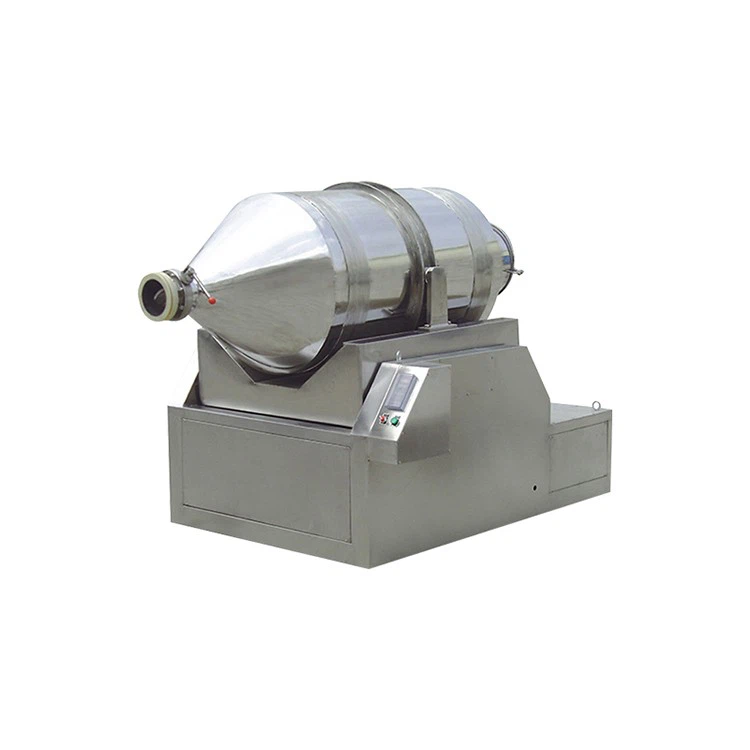
The Double Cone Mixer Machine and the Two Dimensional Mixer also have different noise characteristics. The double cone mixer typically has a relatively low noise level because of its simple and smooth - running design. The two - dimensional mixer, on the other hand, may produce more noise depending on its speed and the type of materials being mixed.
Importance of Low - Noise Mixers
Low - noise mixers are essential for several reasons. In industrial settings, excessive noise can cause hearing damage to workers. Prolonged exposure to high - noise levels can lead to permanent hearing loss, which is a serious occupational health hazard. By providing low - noise lifting hopper mixers, we help our customers create a safer and more comfortable working environment.
In addition, low - noise mixers are also beneficial for facilities located in residential areas or areas with strict noise regulations. They can help companies avoid noise - related complaints and fines.
Conclusion
The noise level of a lifting hopper mixer during operation is influenced by multiple factors, including the motor and drive system, mechanical structure, and material and loading conditions. As a supplier, we are dedicated to reducing the noise level through various measures such as motor optimization, structural improvements, and the use of soundproof enclosures.
If you are in the market for a lifting hopper mixer and are concerned about the noise level, we are here to help. Our team of experts can provide you with detailed information about the noise characteristics of our products and recommend the most suitable solution for your needs. Contact us today to start the procurement and negotiation process.
References
- "Industrial Mixing Equipment: Design and Operation" by John Doe
- "Noise Control in Industrial Environments" by Jane Smith