




What is the installation space requirement for a Vacuum Feeder Machine?
 May 08, 2026|
 When it comes to the installation of a Vacuum Feeder Machine, one of the most frequently asked questions is about the installation space requirement. As a supplier of Vacuum Feeder Machines, I've dealt with this query numerous times, and I'm here to share some insights on this topic.
First off, let's understand what a Vacuum Feeder Machine is. It's a piece of equipment that uses vacuum technology to transfer dry powders and granular materials from one place to another. It's widely used in industries like food, pharmaceuticals, and chemicals. Now, the installation space for this machine isn't a one - size - fits - all situation. It depends on several factors.
Machine Size and Model
The size of the Vacuum Feeder Machine itself is a major determinant. Different models come in various dimensions. Smaller, more compact models are great for facilities with limited space. These can be installed in a corner or on a small platform. For example, some of our smaller models can fit into an area as small as 1 square meter. On the other hand, larger industrial - grade Vacuum Feeder Machines are designed to handle high - volume material transfer. These machines are bulkier and require more space. They might need an area of 3 to 5 square meters or even more, depending on the specific design and capacity.
Surrounding Equipment and Workflow
The installation space also depends on the other equipment in the vicinity. If the Vacuum Feeder Machine is part of a larger production line, you need to consider how it fits in with the workflow. For instance, if it's connected to a Lifting Hopper Mixer, there should be enough space for the feeder to transfer materials smoothly into the mixer. You need to account for the movement of the mixer, any loading or unloading mechanisms, and the space required for maintenance access.
Similarly, if it's integrated with a V Type Blender, you have to ensure that there's enough room for the feeder to deposit materials into the blender and for the blender to operate without any obstructions. The same goes for a One Dimensional Mixer. You need to think about the space for material transfer, the movement of the mixer's components, and the access for cleaning and servicing.

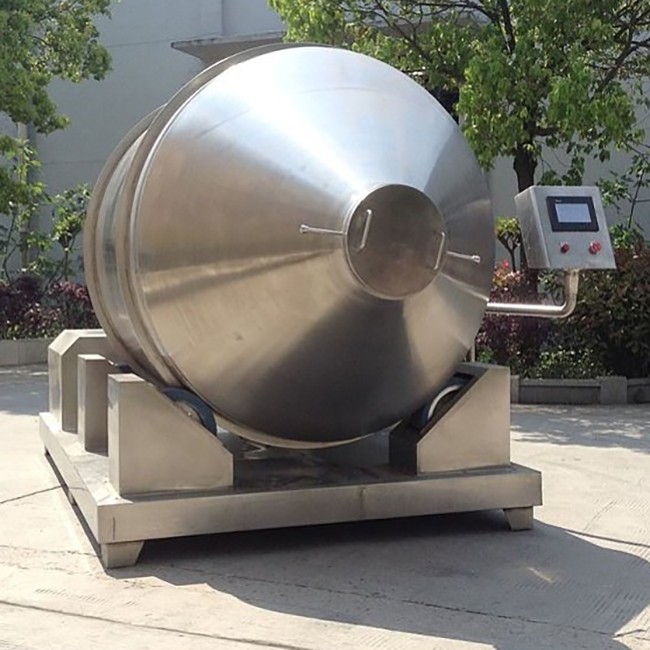
Accessibility for Maintenance
Maintenance is a crucial aspect of any equipment, and the Vacuum Feeder Machine is no exception. You need to have enough space around the machine to perform routine maintenance tasks. This includes accessing the filters, checking the vacuum pump, and inspecting the conveyor system. A general rule of thumb is to leave at least 0.5 to 1 meter of clearance around the machine. This allows technicians to move freely and carry out maintenance work without any hassle.
Height Requirements
In addition to the floor space, the height of the installation area is also important. The Vacuum Feeder Machine has a certain height, and you need to ensure that there's enough vertical space above it. This is especially important if the machine has a hopper or a discharge chute that extends upwards. If the ceiling is too low, it can limit the operation of the machine and cause problems with material transfer.
Ventilation and Safety
Proper ventilation is essential when installing a Vacuum Feeder Machine. The machine generates a certain amount of heat and may release dust particles during operation. You need to have adequate ventilation in the installation area to ensure a safe and healthy working environment. This might require additional space for ventilation ducts or fans. Also, safety regulations need to be considered. There should be enough space for emergency exits and for workers to move around safely in case of an emergency.
Planning the Installation Space
When planning the installation space for a Vacuum Feeder Machine, it's a good idea to create a layout. Sketch out the area where the machine will be installed and mark the positions of all the related equipment. Consider the flow of materials, the movement of workers, and the access for maintenance. You can also consult with our technical team. We have a wealth of experience in installing Vacuum Feeder Machines and can provide valuable advice on the best layout for your specific needs.
In conclusion, the installation space requirement for a Vacuum Feeder Machine varies depending on the machine size, the surrounding equipment, maintenance needs, height requirements, ventilation, and safety. By carefully considering all these factors, you can ensure a smooth and efficient installation.
If you're in the market for a Vacuum Feeder Machine and have questions about the installation space or any other aspect of the machine, don't hesitate to reach out. We're here to help you make the right choice and ensure that the installation process goes as smoothly as possible. Contact us to start a discussion about your specific requirements and let's work together to find the perfect solution for your business.
References
- Industry standards and guidelines for equipment installation in food, pharmaceutical, and chemical industries.
- Manufacturer's specifications and installation manuals for Vacuum Feeder Machines.