




What is the wear rate of the components in a trough mixer?
 Oct 27, 2026|
The wear rate of components in a trough mixer is a crucial factor that directly impacts the performance, efficiency, and longevity of the equipment. As a trough mixer supplier, understanding the wear rate is essential for providing high - quality products and ensuring customer satisfaction.
Understanding the Trough Mixer
A trough mixer is a common piece of equipment used in various industries, such as food, pharmaceuticals, and chemicals. It consists of a trough - shaped container and a mixing element, usually a paddle or a screw, which rotates to blend different materials. The components of a trough mixer include the mixing shaft, paddles or screws, bearings, seals, and the trough itself.

Factors Affecting the Wear Rate
Material Properties
The type of materials being mixed has a significant influence on the wear rate. Abrasive materials, such as sand, metal powders, or hard plastics, can cause faster wear on the mixer components. For example, if a trough mixer is used to mix sand, the sharp edges of the sand particles can scrape and erode the surface of the paddles and the trough. On the other hand, mixing soft and non - abrasive materials like flour or sugar will result in a lower wear rate.
Mixing Speed
The speed at which the mixing element rotates also affects the wear rate. Higher mixing speeds generally lead to increased wear. When the mixing speed is high, the components are subjected to greater mechanical stress and friction. The paddles or screws may experience more significant forces, causing them to wear out more quickly. Additionally, high - speed mixing can generate more heat, which can further degrade the material of the components over time.
Operating Time
The longer a trough mixer operates, the more wear its components will experience. Continuous operation without proper maintenance and downtime for inspection can accelerate the wear process. For instance, if a mixer is running 24/7 in a production facility, the components will be under constant stress, and the wear rate will be higher compared to a mixer that operates for shorter periods.
Maintenance
Proper maintenance can significantly reduce the wear rate of trough mixer components. Regular lubrication of bearings, inspection of seals, and timely replacement of worn - out parts can extend the lifespan of the mixer. For example, if the bearings are not lubricated regularly, the friction between the moving parts will increase, leading to faster wear.
Measuring the Wear Rate
Measuring the wear rate of trough mixer components can be done through several methods. One common approach is to use direct measurement techniques, such as calipers or micrometers, to measure the thickness or dimensions of the components before and after a certain period of operation. By comparing the measurements, the amount of wear can be determined.
Another method is to use non - destructive testing techniques, such as ultrasonic testing or magnetic particle inspection. These techniques can detect internal defects and wear in the components without causing damage to them.
Impact of Wear on Trough Mixer Performance
When the components of a trough mixer wear out, it can have several negative impacts on its performance. Firstly, the mixing efficiency may decrease. Worn - out paddles or screws may not be able to mix the materials as effectively, leading to uneven mixing and inconsistent product quality.
Secondly, the wear can cause increased vibration and noise during operation. This not only affects the working environment but also indicates potential problems with the mixer's stability. In severe cases, excessive wear can lead to component failure, which can result in costly downtime for repairs.
Strategies to Reduce Wear Rate
As a trough mixer supplier, we recommend several strategies to reduce the wear rate of the components.
- Material Selection: Choose high - quality, wear - resistant materials for the components. For example, using stainless steel for the trough and paddles can provide better resistance to corrosion and abrasion.
- Optimal Mixing Parameters: Adjust the mixing speed and time according to the properties of the materials being mixed. Avoid using unnecessarily high speeds, which can increase wear.
- Regular Maintenance: Establish a regular maintenance schedule, including lubrication, inspection, and replacement of worn parts. This can prevent small problems from becoming major issues.
Comparison with Other Mixing Equipment
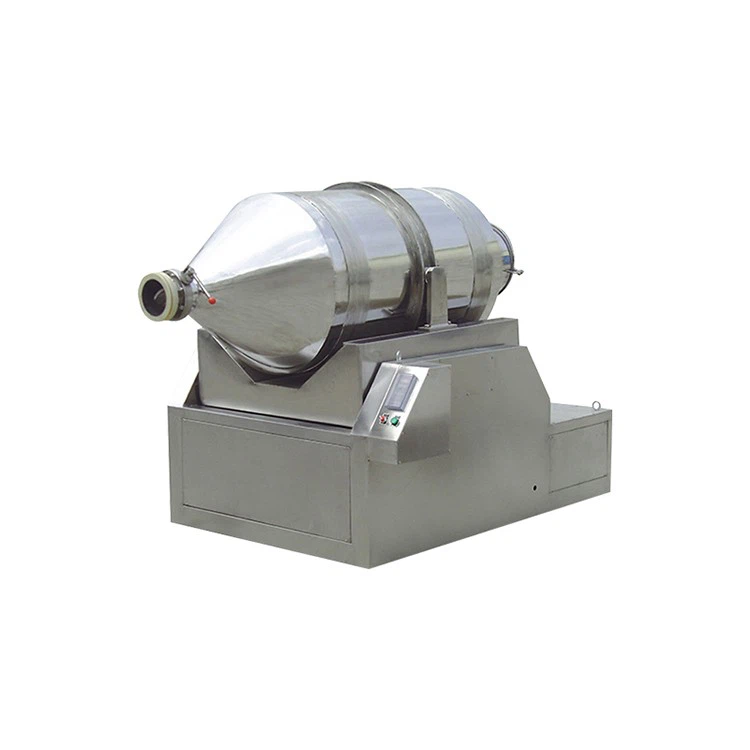
When considering mixing equipment, it's important to compare the wear rate of trough mixers with other types of mixers, such as V Type Blender, Two Dimensional Mixer, and Double Cone Mixer Machine. Each type of mixer has its own advantages and disadvantages in terms of wear rate.
V type blenders are known for their gentle mixing action, which can result in lower wear on the components compared to trough mixers, especially when dealing with fragile materials. Two - dimensional mixers offer a more complex mixing motion, but their components may also be subject to wear, depending on the operating conditions. Double cone mixer machines are often used for mixing powders and granules, and their wear rate can be influenced by factors such as the material properties and the mixing speed.
Conclusion
In conclusion, understanding the wear rate of components in a trough mixer is essential for both suppliers and users. By considering the factors that affect wear, measuring the wear rate accurately, and implementing strategies to reduce wear, we can ensure the long - term performance and reliability of the trough mixer.
If you are interested in learning more about trough mixers or are considering purchasing one for your business, we invite you to contact us for further discussion and procurement. We are committed to providing high - quality trough mixers and excellent customer service.
References
- Smith, J. (2018). "Industrial Mixing Equipment: Principles and Applications". Publisher: XYZ Press.
- Johnson, A. (2020). "Wear and Tear in Mixing Machinery". Journal of Industrial Engineering, Vol. 35, pp. 123 - 135.