




What is the temperature range for the normal operation of a Vacuum Feeder Machine?
 Dec 11, 2025|
 Hey there! As a supplier of Vacuum Feeder Machines, I often get asked about the temperature range for the normal operation of these machines. So, I thought I'd write this blog to clear up any confusion and give you all the info you need.
First off, let's talk about what a Vacuum Feeder Machine is. It's a piece of equipment that uses vacuum technology to transfer powders, granules, and other dry materials from one place to another. It's super useful in industries like food processing, pharmaceuticals, and chemical manufacturing.
Now, the temperature range for the normal operation of a Vacuum Feeder Machine can vary depending on a few factors. One of the main factors is the type of material you're feeding. Different materials have different temperature tolerances. For example, some heat-sensitive materials might start to degrade or change their properties at relatively low temperatures. On the other hand, more robust materials can handle higher temperatures without any issues.
In general, most Vacuum Feeder Machines are designed to operate within a temperature range of -20°C to 80°C (-4°F to 176°F). This range is a good balance between the need to handle different materials and the machine's own mechanical and electrical components.
Let's break down this temperature range a bit further. At the lower end, around -20°C, the main concern is the effect of cold on the machine's seals and gaskets. Cold temperatures can make these rubber or plastic parts become brittle and less flexible, which can lead to leaks and reduced performance. So, if you're operating in a cold environment, you might need to take extra precautions, like using special cold-resistant seals or insulating the machine.
At the upper end, around 80°C, the main issue is heat dissipation. The Vacuum Feeder Machine has motors, pumps, and other electrical components that generate heat during operation. If the ambient temperature is too high, it can be difficult for these components to cool down properly, which can lead to overheating and potential damage. To prevent this, the machine should be installed in a well-ventilated area, and you might need to use additional cooling devices, like fans or heat exchangers.
But what if you need to handle materials that require a different temperature range? Well, don't worry! There are specialized Vacuum Feeder Machines available that can handle extreme temperatures. For example, if you need to feed materials at very high temperatures, say above 80°C, there are machines with heat-resistant materials and advanced cooling systems. These machines are designed to withstand the heat and keep the material transfer process running smoothly.
On the other hand, if you're dealing with extremely cold materials, there are also machines with special insulation and heating elements to maintain the right temperature. These machines can ensure that the material doesn't freeze or become too viscous during the feeding process.
Now, let's talk about how the temperature range affects the performance of the Vacuum Feeder Machine. Temperature can have a significant impact on the flowability of the material. For example, at higher temperatures, some powders might become more cohesive and less free-flowing, which can make it difficult for the machine to suck them up and transfer them. To overcome this, you might need to adjust the machine's settings, like the vacuum pressure or the feeding speed.
Another important factor is the density of the material. Temperature can change the density of the material, which can affect the machine's feeding accuracy. For example, if the material expands at higher temperatures, the machine might need to adjust the amount of material it feeds to maintain the correct dosage.
When it comes to choosing the right Vacuum Feeder Machine for your specific temperature requirements, it's important to consider a few things. First, you need to know the exact temperature range of the material you'll be feeding. This will help you determine if a standard machine will work or if you need a specialized one.
Second, you should think about the ambient temperature of the operating environment. If the room is very hot or cold, it can affect the machine's performance and lifespan. Make sure to choose a machine that can handle the ambient temperature and has the necessary features to deal with it.
Finally, don't forget about the maintenance and upkeep of the machine. Regularly checking the seals, gaskets, and other components for signs of wear and tear is essential, especially in extreme temperature conditions. And make sure to follow the manufacturer's recommendations for cleaning and lubrication to keep the machine running smoothly.
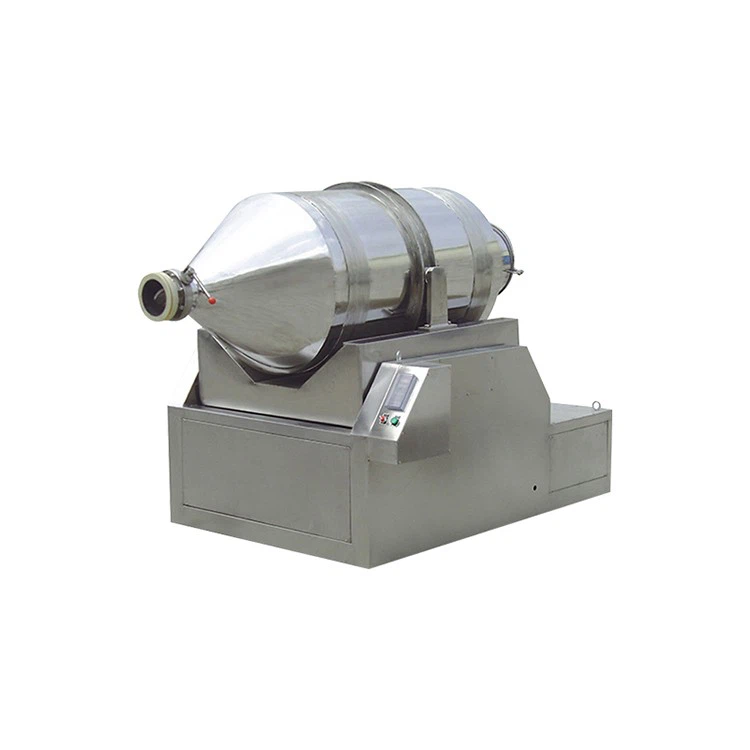
Now, I want to mention a few related products that might be useful in your production process. If you're looking for mixing equipment to go along with your Vacuum Feeder Machine, we have some great options. Check out our Three Dimensional Mixer, Two Dimensional Mixer, and Laboratory Single Arm Mixer. These mixers are designed to provide efficient and uniform mixing of different materials, and they can work well in conjunction with the Vacuum Feeder Machine.
In conclusion, the temperature range for the normal operation of a Vacuum Feeder Machine is typically between -20°C and 80°C, but it can vary depending on the material and the operating environment. By understanding this range and taking the necessary precautions, you can ensure that your machine performs at its best and has a long lifespan.
If you're interested in learning more about our Vacuum Feeder Machines or have any questions about temperature requirements, don't hesitate to get in touch. We're here to help you find the right solution for your specific needs. Whether you're a small laboratory or a large industrial plant, we have the expertise and products to meet your requirements. So, let's start a conversation and see how we can work together to improve your production process!
References:

- Manufacturer's manuals for Vacuum Feeder Machines
- Industry standards and guidelines for material handling equipment
- Technical papers on the effects of temperature on rubber and plastic components