




What is the environmental impact of using a Lifting Hopper Mixer?
 Apr 23, 2026|
 As a supplier of Lifting Hopper Mixers, I've had the privilege of witnessing firsthand how these machines play a crucial role in various industries. However, in today's environmentally - conscious world, it's essential to understand the environmental impact of using such equipment.
Energy Consumption
One of the primary environmental considerations when using a Lifting Hopper Mixer is energy consumption. These mixers are typically powered by electricity, and the amount of energy they use can vary depending on factors such as the size of the mixer, the mixing speed, and the duration of operation.
Larger Lifting Hopper Mixers generally require more energy to operate because they need to move larger volumes of materials. High - speed mixing also demands more power as the motor has to work harder to achieve the desired agitation. For example, a mixer used in a large - scale pharmaceutical manufacturing plant that runs continuously for several hours a day can consume a significant amount of electricity.
To mitigate this, modern Lifting Hopper Mixers are being designed with energy - efficient motors. These motors are engineered to use less power while still providing the necessary torque for effective mixing. Additionally, some mixers come with variable speed drives, which allow operators to adjust the mixing speed according to the specific requirements of the task. This means that the mixer doesn't have to run at full speed all the time, reducing energy consumption.
Noise Pollution
Another environmental impact associated with Lifting Hopper Mixers is noise pollution. During operation, the moving parts of the mixer, such as the hopper, the mixing blades, and the motor, can generate a considerable amount of noise. This can be a problem, especially in industrial areas where there may be nearby residential communities or other noise - sensitive areas.
The noise level of a Lifting Hopper Mixer depends on several factors, including the design of the mixer, the quality of its components, and the operating conditions. For instance, a mixer with poorly maintained bearings or loose parts is likely to produce more noise than a well - maintained one.
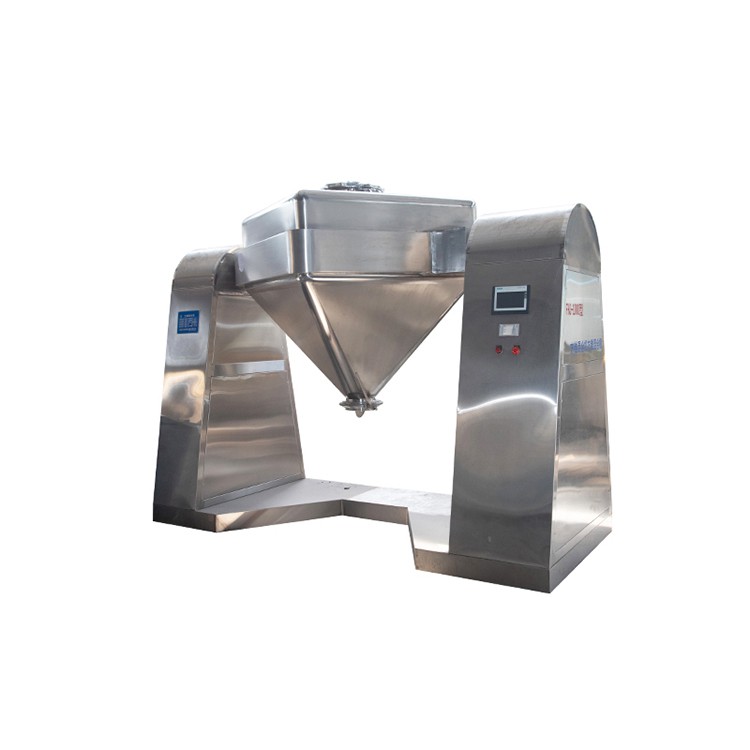
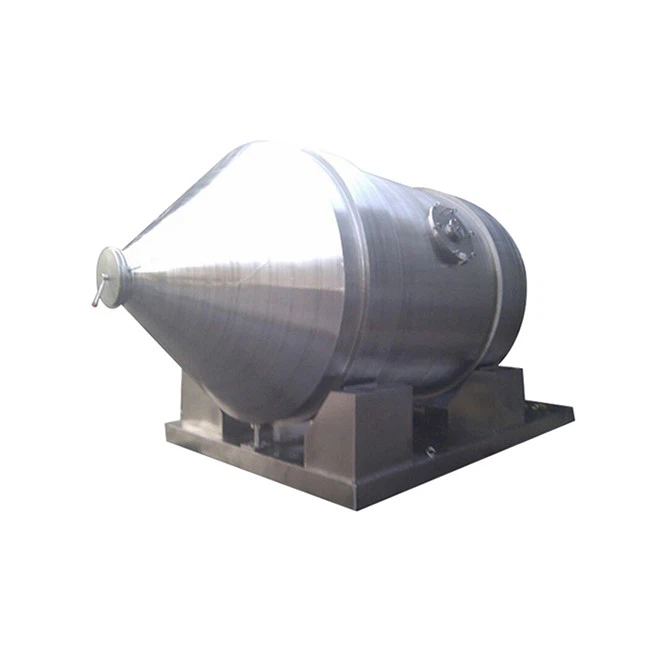
To address this issue, manufacturers are implementing noise - reduction technologies in their Lifting Hopper Mixers. This can include using sound - insulating materials in the construction of the mixer, as well as designing the moving parts to operate more quietly. Some mixers also come with enclosures that can further reduce the noise level.
Waste Generation
Lifting Hopper Mixers can also contribute to waste generation. During the mixing process, there may be spillage of the materials being mixed, especially if the hopper is not properly sealed or if the operator is not careful. This spilled material can become waste, which then needs to be disposed of properly.
In addition, over time, the components of the mixer may wear out and need to be replaced. This can lead to the generation of waste parts, such as worn - out mixing blades, bearings, and belts.
To minimize waste generation, it's important to ensure proper maintenance of the Lifting Hopper Mixer. Regular inspections can help identify and fix any issues that may lead to spillage, such as leaks in the hopper or loose connections. When it comes to replacing worn - out parts, it's advisable to choose components that are made from recyclable materials whenever possible.
Chemical Emissions
Some materials being mixed in a Lifting Hopper Mixer may release chemical emissions during the mixing process. For example, if the mixer is used to blend chemicals or solvents, there may be volatile organic compounds (VOCs) released into the air. These emissions can have a negative impact on air quality and can also pose a health risk to workers in the vicinity.
To control chemical emissions, proper ventilation systems should be in place in the area where the Lifting Hopper Mixer is located. These systems can help remove the emitted chemicals from the air and prevent them from accumulating. Additionally, some mixers are designed with sealed hoppers and mixing chambers to minimize the escape of chemicals.
Comparison with Other Mixing Equipment
When considering the environmental impact of a Lifting Hopper Mixer, it's also useful to compare it with other types of mixing equipment. For example, the Square Cone Mixer is another popular mixing device. Square Cone Mixers are known for their gentle mixing action, which can be beneficial for some materials that are sensitive to high - shear mixing. In terms of energy consumption, they may be more or less efficient than Lifting Hopper Mixers depending on the specific application.
The Laboratory Three - dimensional Mixer is often used in research and development settings. These mixers typically have a smaller scale of operation compared to Lifting Hopper Mixers. They may consume less energy and generate less waste, but they may also have limitations in terms of the volume of materials they can mix.
The One Dimensional Mixer is a simpler type of mixer that operates in a single plane. It may be less complex and consume less energy than a Lifting Hopper Mixer, but it may not be as effective for mixing certain types of materials.
Conclusion
In conclusion, while Lifting Hopper Mixers are valuable tools in many industries, they do have an environmental impact. Energy consumption, noise pollution, waste generation, and chemical emissions are some of the key areas of concern. However, through technological advancements and proper maintenance, it's possible to minimize these impacts.
As a supplier of Lifting Hopper Mixers, we are committed to providing our customers with equipment that is not only efficient but also environmentally friendly. We continuously invest in research and development to improve the design of our mixers and to incorporate the latest environmental - friendly technologies.
If you are in the market for a Lifting Hopper Mixer or have any questions about our products, we encourage you to contact us for a detailed discussion. We can help you choose the right mixer for your specific needs while also considering the environmental impact. Let's work together to achieve a more sustainable future in the mixing industry.
References
- Smith, J. (2020). "Environmental Considerations in Industrial Mixing Equipment". Journal of Industrial Engineering.
- Johnson, A. (2021). "Reducing Energy Consumption in Mixing Processes". International Journal of Energy Efficiency.
- Brown, C. (2019). "Noise Reduction Technologies in Industrial Machinery". Industrial Noise Control Magazine.