




How to transport a Two Dimensional Mixer?
 Oct 29, 2025|
 Hey there! As a supplier of Two Dimensional Mixers, I've had my fair share of experiences when it comes to transporting these nifty pieces of equipment. In this blog, I'm gonna walk you through the ins and outs of getting a Two Dimensional Mixer from point A to point B safely and efficiently.
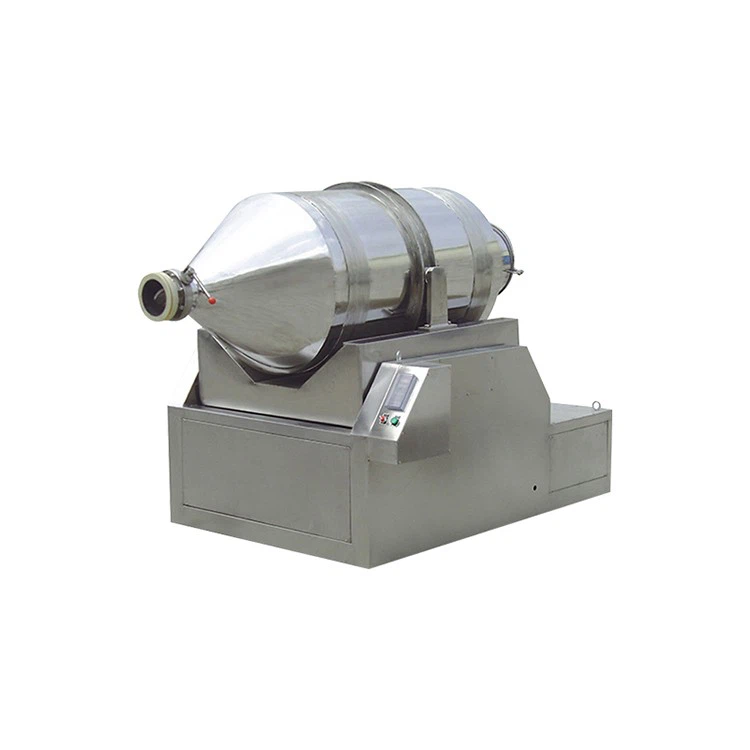
First off, let's talk a bit about what a Two Dimensional Mixer is. It's a pretty cool machine that can mix various materials in two directions, which is way more effective than a One Dimensional Mixer. The Two Dimensional Mixer is often used in industries like pharmaceuticals, food, and chemicals to blend powders, granules, and other substances evenly.
Pre - Transport Preparation
Before you even think about moving the mixer, there are some important steps you need to take.
Cleaning
The first thing you gotta do is clean the mixer thoroughly. Any leftover materials inside the mixer can cause problems during transport. For example, if there are sticky substances, they might dry up and damage the internal components. Plus, it's just good practice to start with a clean slate. You don't want to spread any contaminants during transit.
Disassembly
In most cases, it's a good idea to disassemble the mixer into smaller parts. This makes it easier to handle and reduces the risk of damage. Remove any detachable components like the mixing drum, paddles, and control panels. Label each part clearly so you know exactly where it goes when you're reassembling it. Make sure to keep all the small parts, like screws and bolts, in a sealed container. You don't want to lose them!
Documentation
Gather all the necessary documentation. This includes the user manual, maintenance records, and any warranty information. You'll need these documents at the destination for installation and future reference. Also, take some pictures of the mixer before disassembly. This can be helpful if there are any disputes about the condition of the equipment during transport.
Choosing the Right Packaging
Once you've prepared the mixer, it's time to think about packaging.
Protective Materials
Use high - quality protective materials to wrap each part. Foam padding is great for cushioning and preventing scratches. You can also use bubble wrap for more delicate components. For the metal parts, consider using anti - rust paper to prevent corrosion during transit.
Crates
Build or purchase sturdy wooden crates for the larger parts. Make sure the crates are the right size for the components. You don't want the parts to be too loose or too tight. Secure the parts inside the crates with straps or braces to prevent them from moving around. For smaller parts, you can use cardboard boxes. Just make sure to label them clearly.
Selecting a Transport Method
There are several transport methods you can choose from, and each has its pros and cons.
Road Transport
Road transport is often the most convenient option for short - to medium - distance deliveries. You can hire a local trucking company that has experience in transporting industrial equipment. Make sure the truck has a flatbed or a well - secured cargo area. The driver should also be aware of the special handling requirements for the mixer. Road transport gives you more control over the delivery schedule, and you can usually track the progress of the shipment easily.
Rail Transport
For longer distances, rail transport can be a cost - effective option. However, it might take longer than road transport. You'll need to work with a freight forwarder who can handle the loading and unloading of the mixer at the rail terminals. Rail transport is generally more stable than road transport, which can reduce the risk of damage during transit.
Air Transport
If you need to get the mixer to its destination quickly, air transport is the way to go. But it's also the most expensive option. You'll need to work with an air freight carrier that has experience in handling industrial equipment. Make sure the packaging is suitable for air travel, as the equipment will be subject to different pressures and temperatures.
Loading and Unloading
Loading and unloading the mixer are critical steps in the transport process.
Professional Handling
Always hire professional handlers for loading and unloading. They have the experience and equipment to do the job safely. They'll use forklifts or cranes to move the heavy parts. Make sure the handlers are trained in handling industrial mixers. They should know how to lift the parts correctly to avoid any damage.
Inspection
Inspect the mixer carefully before and after loading and unloading. Check for any signs of damage, such as dents, scratches, or loose parts. If you notice any damage, document it immediately and notify the relevant parties.
Insurance
It's always a good idea to get insurance for the shipment. Accidents can happen during transport, and insurance can protect you from financial losses. Make sure the insurance policy covers all the risks associated with transporting the mixer, including damage, theft, and loss.
Reassembly and Testing
Once the mixer arrives at its destination, it's time to reassemble and test it.
Reassembly
Follow the disassembly labels and the user manual to reassemble the mixer correctly. Make sure all the parts are tightened properly and that the electrical connections are secure. If you're not confident in your ability to reassemble the mixer, you can hire a professional technician.
Testing
After reassembly, test the mixer to make sure it's working properly. Run a few test cycles with some test materials. Check for any abnormal noises, vibrations, or malfunctions. If you encounter any problems, refer to the user manual or contact the manufacturer's support team.
Conclusion
Transporting a Two Dimensional Mixer requires careful planning and attention to detail. From pre - transport preparation to reassembly and testing, every step is crucial to ensure the safe and successful delivery of the equipment.
If you're in the market for a Two Dimensional Mixer or need advice on transporting one, don't hesitate to reach out. We're here to help you with all your mixing equipment needs. Whether you're a small business or a large corporation, we can provide you with the right solutions. Contact us today to start the procurement process and let's get your business up and running with the best mixing equipment available.
References
- General knowledge and experience in the industrial equipment supply industry.
- User manuals and technical specifications of Two Dimensional Mixers.