




How to lift and move a Square Cone Mixer safely?
 Dec 26, 2025|
 Hey there! As a supplier of Square Cone Mixers, I've seen firsthand the importance of safely lifting and moving these pieces of equipment. In this blog, I'll share some tips and best practices to ensure you can handle your Square Cone Mixer without any hitches.
Understanding Your Square Cone Mixer
Before you even think about lifting or moving your Square Cone Mixer, it's crucial to understand its specifications. These mixers come in various sizes and weights, and knowing the exact dimensions and weight of your specific model is the first step. You can find this information in the product manual or by reaching out to us directly.
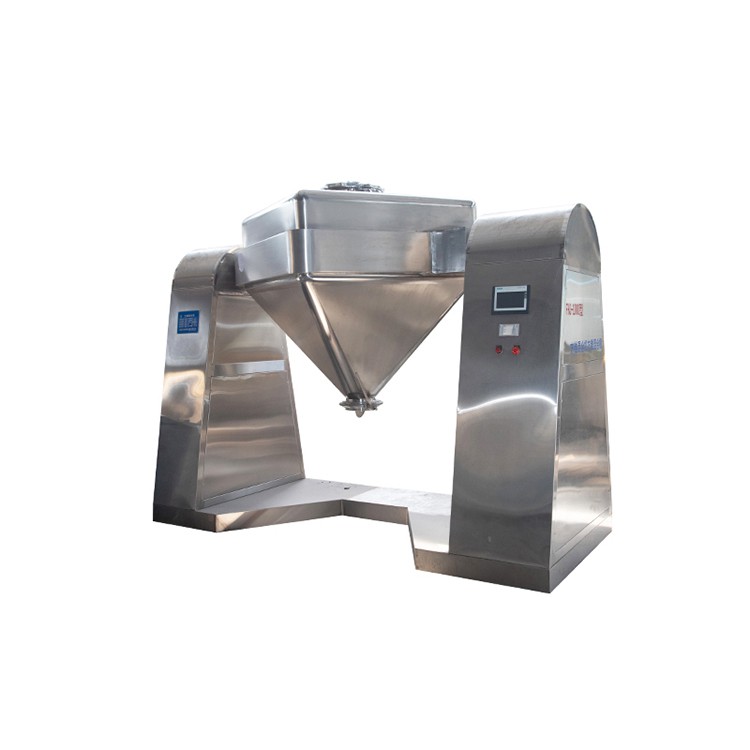
The Square Cone Mixer is designed for efficient mixing of dry powders and granules. It has a unique conical shape that promotes a thorough and uniform mixing process. But because of its shape and the materials it's made of, it requires special handling. You can learn more about the Square Cone Mixer on our website Square Cone Mixer.
Pre - Move Preparation
- Inspect the Mixer: Before moving, give your Square Cone Mixer a good once - over. Check for any loose parts, damaged components, or signs of wear and tear. If you notice anything amiss, it's best to address it before moving. This not only ensures the safety of the move but also the longevity of the mixer.
- Clear the Path: Make sure the area where you'll be moving the mixer is clear of any obstacles. Remove any debris, tools, or other equipment that could get in the way. This includes checking for uneven floors, bumps, or holes that could cause the mixer to tip or get damaged during transit.
- Gather the Right Tools: You'll need the appropriate lifting and moving equipment. This could include forklifts, pallet jacks, or hoists. Make sure these tools are in good working condition and are rated to handle the weight of your Square Cone Mixer.
Lifting the Square Cone Mixer
- Positioning the Lifting Equipment: If you're using a forklift, position it carefully under the mixer. Make sure the forks are centered and evenly distributed to support the weight. If using a hoist, attach the lifting straps or chains to the designated lifting points on the mixer. These lifting points are specifically designed to handle the stress of lifting.
- Slow and Steady: When lifting, move slowly and steadily. Avoid any sudden jerks or movements that could cause the mixer to shift or fall. Keep an eye on the balance of the mixer as it's being lifted. If it starts to tilt or seem unstable, stop immediately and re - evaluate the lifting position.
- Maintain Clearance: As you lift the mixer, ensure there's enough clearance around it. This means keeping a safe distance from walls, ceilings, and other equipment. You don't want the mixer to accidentally hit anything during the lifting process.
Moving the Square Cone Mixer
- Plan Your Route: Before you start moving, plan the route you'll take. Consider factors like doorways, hallways, and turns. Make sure the path is wide enough to accommodate the mixer and that there's enough clearance for any turns.
- Drive Smoothly: If you're using a forklift or other motorized equipment to move the mixer, drive smoothly. Avoid sharp turns or sudden stops, as these can cause the mixer to shift or fall. Keep a steady speed and be aware of your surroundings at all times.
- Have a Spotter: It's a good idea to have someone act as a spotter when moving the mixer. This person can help guide you, especially in tight spaces or when making turns. They can also alert you to any potential hazards that you might not see.
Unloading and Re - Positioning
- Lowering the Mixer: When you reach the new location, lower the mixer slowly and steadily. Make sure it's placed on a flat and stable surface. Double - check that it's level and balanced before releasing the lifting equipment.
- Re - Connecting and Testing: Once the mixer is in place, re - connect any electrical, plumbing, or other connections. Then, run a quick test to make sure everything is working properly. This includes checking the mixing function, power supply, and any other features of the mixer.
Comparison with Other Mixers
It's interesting to compare the Square Cone Mixer with other types of mixers. For example, the One Dimensional Mixer has a simpler design and is often used for less complex mixing tasks. It may be easier to move in some cases, but it doesn't offer the same level of thorough mixing as the Square Cone Mixer.
On the other hand, the Laboratory Single Arm Mixer is designed for smaller - scale, laboratory - based applications. It's generally lighter and more portable than the Square Cone Mixer, but isn't suitable for large - volume mixing.
Conclusion
Safely lifting and moving a Square Cone Mixer is all about preparation, using the right equipment, and taking your time. By following these steps, you can ensure that your mixer is moved without any damage and is ready to continue serving you for years to come.
If you're in the market for a Square Cone Mixer or have any questions about moving or operating one, don't hesitate to reach out. We're here to help you make the best decisions for your mixing needs. Whether you're a small - scale business or a large industrial operation, we've got the expertise and the products to meet your requirements. Contact us today to start the conversation about your mixing equipment needs.
References
Safety guidelines for industrial mixing equipment. Manufacturer's product manuals. Industry best practices for moving heavy machinery.