




Can a vacuum heating oven be used for plastic processing?
 Sep 22, 2025|
 Can a vacuum heating oven be used for plastic processing? This is a question that many in the plastics industry often ponder. As a supplier of Vacuum Heating Ovens, I am well - versed in the capabilities and limitations of these machines when it comes to plastic processing.
Understanding Vacuum Heating Ovens
Before delving into their application in plastic processing, it's essential to understand what a vacuum heating oven is. A vacuum heating oven is a specialized piece of equipment that operates under low - pressure conditions. By creating a vacuum environment, it can reduce the boiling point of substances and eliminate oxygen, which is beneficial for many industrial processes.
The key components of a vacuum heating oven include a chamber, a heating system, a vacuum pump, and a control system. The chamber is where the materials are placed for processing. The heating system can use various methods such as electrical resistance heating or infrared heating to raise the temperature inside the chamber. The vacuum pump is responsible for creating and maintaining the low - pressure environment, and the control system allows operators to set and monitor parameters like temperature, pressure, and processing time.
Advantages of Using Vacuum Heating Ovens in Plastic Processing
1. Degassing and Drying
Plastics often contain moisture and volatile substances. In a normal environment, these can cause defects such as bubbles, voids, or surface imperfections during processing. A vacuum heating oven can effectively remove these unwanted substances. The low - pressure environment lowers the boiling point of water and other volatiles, allowing them to evaporate at lower temperatures. This degassing and drying process improves the quality and mechanical properties of the final plastic products. For example, in the production of high - precision plastic parts for the electronics industry, degassing in a vacuum heating oven can prevent electrical insulation problems caused by trapped moisture or gas.
2. Preventing Oxidation
Many plastics are prone to oxidation when exposed to high temperatures and oxygen. Oxidation can lead to discoloration, degradation of mechanical properties, and a shorter lifespan of the plastic products. Since a vacuum heating oven operates in an oxygen - free environment, it significantly reduces the risk of oxidation. This is particularly important for plastics used in outdoor applications or in harsh chemical environments, where oxidation resistance is crucial.
3. Uniform Heating
The design of vacuum heating ovens often ensures uniform heat distribution within the chamber. This is vital for plastic processing because uneven heating can cause warping, uneven shrinkage, or inconsistent mechanical properties in the plastic parts. With uniform heating, the plastic can be processed more precisely, resulting in high - quality and dimensionally stable products.
Limitations and Considerations
1. Material Compatibility
Not all plastics are suitable for processing in a vacuum heating oven. Some plastics may have a low melting point or may decompose at the temperatures required for degassing or other processing steps in a vacuum environment. For example, certain types of soft plastics or plastics with low - temperature stability may melt or deform under the conditions of a vacuum heating oven. It's crucial to understand the thermal properties and chemical stability of the specific plastic material before using a vacuum heating oven.
2. Processing Time
The vacuum process can be time - consuming compared to traditional processing methods. Creating and maintaining a vacuum, as well as the slow heating and cooling cycles required to prevent thermal shock to the plastic, can increase the overall processing time. This may not be suitable for high - volume, fast - paced production environments. However, for high - value, low - volume plastic products, the benefits of using a vacuum heating oven often outweigh the longer processing time.
3. Equipment Cost
Vacuum heating ovens are generally more expensive than standard heating equipment. The cost includes not only the initial purchase price but also the maintenance and operation costs. The vacuum pump requires regular maintenance, and the energy consumption for heating and maintaining the vacuum can be relatively high. Therefore, companies need to carefully evaluate the cost - effectiveness of using a vacuum heating oven for their plastic processing needs.
Applications of Vacuum Heating Ovens in Different Plastic Processing Areas
1. Plastic Molding
In plastic injection molding and compression molding processes, pre - drying the plastic pellets in a vacuum heating oven can improve the quality of the molded parts. By removing moisture and volatiles, the risk of surface defects and internal voids is reduced, resulting in better - looking and more durable products. For example, in the automotive industry, vacuum - dried plastic pellets are used to produce high - quality interior and exterior parts.
2. Plastic Lamination
When laminating different layers of plastic films or sheets, a vacuum heating oven can be used to ensure a strong and uniform bond between the layers. The vacuum environment helps to remove air bubbles trapped between the layers, and the controlled heating can activate the adhesive or bonding agents more effectively. This is commonly used in the production of flexible packaging materials, where a tight and reliable lamination is essential for product integrity.
3. Plastic Recycling
In the plastic recycling process, a vacuum heating oven can be used to clean and purify recycled plastics. It can remove contaminants, such as dirt, oil, and residual chemicals, from the recycled plastic materials. This improves the quality of the recycled plastics, making them more suitable for reuse in new plastic products.
Comparison with Other Drying and Processing Equipment
1. Hot Air Circulation Drying Oven
A Hot Air Circulation Drying Oven is a common alternative for plastic drying. It uses hot air to transfer heat to the plastic materials. While it is relatively inexpensive and easy to operate, it has some limitations compared to a vacuum heating oven. In a hot air circulation drying oven, the presence of oxygen can cause oxidation of the plastics, and it may not be as effective in removing volatile substances as a vacuum heating oven. Additionally, the heat transfer in a hot air oven may be less uniform, leading to potential quality issues in the plastic products.
2. Box Type Microwave Vacuum Dryer
The Box Type Microwave Vacuum Dryer combines the advantages of microwave heating and vacuum drying. It can heat the plastic materials more rapidly due to the microwave energy, which can penetrate the materials and generate heat internally. However, it may have limitations in terms of the size and shape of the plastic parts that can be processed. Also, the cost of a box - type microwave vacuum dryer is relatively high, and it requires more technical expertise for operation and maintenance compared to a vacuum heating oven.
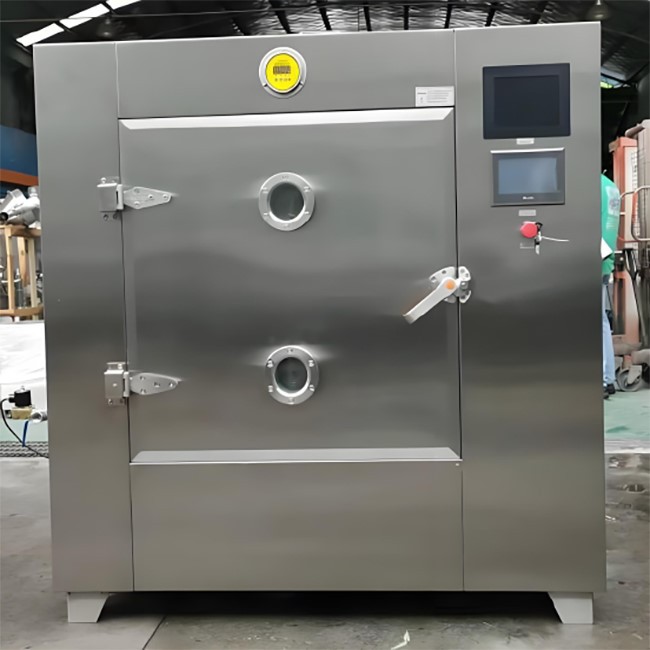

3. Low Temperature Vacuum Drying Oven
The Low Temperature Vacuum Drying Oven is designed to operate at lower temperatures, which is suitable for plastics that are sensitive to high temperatures. It shares some similarities with a standard vacuum heating oven but is more focused on gentle drying processes. However, the drying time in a low - temperature vacuum drying oven may be longer, and it may not be powerful enough for some high - temperature plastic processing applications.
Conclusion
In conclusion, a vacuum heating oven can indeed be used for plastic processing, offering several advantages such as degassing, preventing oxidation, and uniform heating. However, it also has limitations in terms of material compatibility, processing time, and equipment cost. When considering using a vacuum heating oven for plastic processing, companies need to carefully evaluate their specific requirements, including the type of plastic materials, production volume, and quality standards.
If you are in the plastic processing industry and are interested in exploring the potential of using a vacuum heating oven for your operations, I encourage you to reach out to us. We are a professional Vacuum Heating Oven supplier with extensive experience and a wide range of products to meet your diverse needs. Contact us to discuss your plastic processing requirements and let's find the best solution together.
References
- "Plastic Processing Technology Handbook", published by XYZ Publishing House.
- Research papers on vacuum processing in the Journal of Plastic Engineering.
- Industry reports on advanced plastic processing equipment.