




Can a Vacuum Feeder Machine be used for feeding fragile materials?
 Aug 27, 2026|
In the world of industrial manufacturing and processing, the handling of fragile materials presents a unique set of challenges. Fragile materials, such as delicate powders, small tablets, or brittle components, require special care to prevent damage during the feeding process. As a supplier of Vacuum Feeder Machines, we often receive inquiries about whether our machines can be used for feeding these types of fragile materials. In this blog post, we will explore the capabilities of Vacuum Feeder Machines in handling fragile materials, the factors to consider, and the benefits they offer.
Understanding Vacuum Feeder Machines
Vacuum Feeder Machines are designed to transport materials from one location to another using a vacuum system. They work by creating a negative pressure that draws materials into a hopper or container. The materials are then conveyed through a pipeline to the desired destination. These machines are commonly used in industries such as food processing, pharmaceuticals, chemicals, and plastics, where the efficient and hygienic transfer of materials is crucial.
Can Vacuum Feeder Machines Handle Fragile Materials?
The answer is yes, Vacuum Feeder Machines can be used for feeding fragile materials. However, several factors need to be considered to ensure that the materials are handled safely and without damage.
1. Material Characteristics
The first step in determining whether a Vacuum Feeder Machine is suitable for feeding fragile materials is to understand the characteristics of the materials themselves. Factors such as particle size, shape, density, and brittleness play a significant role in the feeding process. For example, materials with a high aspect ratio (e.g., long and thin particles) may be more prone to breakage during transportation. Similarly, materials with low density may be more easily affected by air currents within the feeder.
2. Feeding Rate and Speed
The feeding rate and speed of the Vacuum Feeder Machine need to be carefully adjusted to prevent damage to the fragile materials. A high feeding rate or speed can cause the materials to collide with each other or the walls of the feeder, leading to breakage. On the other hand, a low feeding rate may result in inefficient production. Therefore, it is essential to find the optimal feeding rate and speed for the specific materials being handled.
3. Vacuum Pressure
The vacuum pressure used in the feeder also affects the handling of fragile materials. Too high a vacuum pressure can cause the materials to be drawn into the feeder too quickly, increasing the risk of breakage. Conversely, too low a vacuum pressure may not be sufficient to transport the materials effectively. The vacuum pressure should be adjusted based on the characteristics of the materials and the requirements of the feeding process.
4. Feeder Design
The design of the Vacuum Feeder Machine can also impact its ability to handle fragile materials. For example, a feeder with a smooth interior surface and gentle curves can reduce the risk of material damage during transportation. Additionally, the use of soft or flexible components, such as rubber seals or hoses, can help to cushion the materials and prevent breakage.
Benefits of Using Vacuum Feeder Machines for Fragile Materials
Despite the challenges associated with handling fragile materials, Vacuum Feeder Machines offer several benefits that make them a suitable choice for many applications.
1. Gentle Handling
Vacuum Feeder Machines provide a gentle and controlled feeding process, which helps to minimize the risk of damage to fragile materials. The vacuum system creates a smooth and continuous flow of materials, reducing the likelihood of collisions and breakage.
2. Hygienic Transfer
In industries such as food and pharmaceuticals, hygiene is of utmost importance. Vacuum Feeder Machines are designed to operate in a closed system, which helps to prevent contamination of the materials. The use of stainless steel components and easy-to-clean surfaces further enhances the hygienic properties of the feeder.
3. Efficient and Precise Feeding
Vacuum Feeder Machines offer high levels of efficiency and precision in the feeding process. They can be programmed to deliver a specific amount of material at a desired rate, ensuring consistent and accurate feeding. This is particularly important for applications where precise dosing is required.
4. Versatility
Vacuum Feeder Machines can be used to handle a wide range of materials, including fragile materials. They can be easily adjusted to accommodate different types of materials and feeding requirements, making them a versatile solution for various industries.
Additional Equipment for Handling Fragile Materials
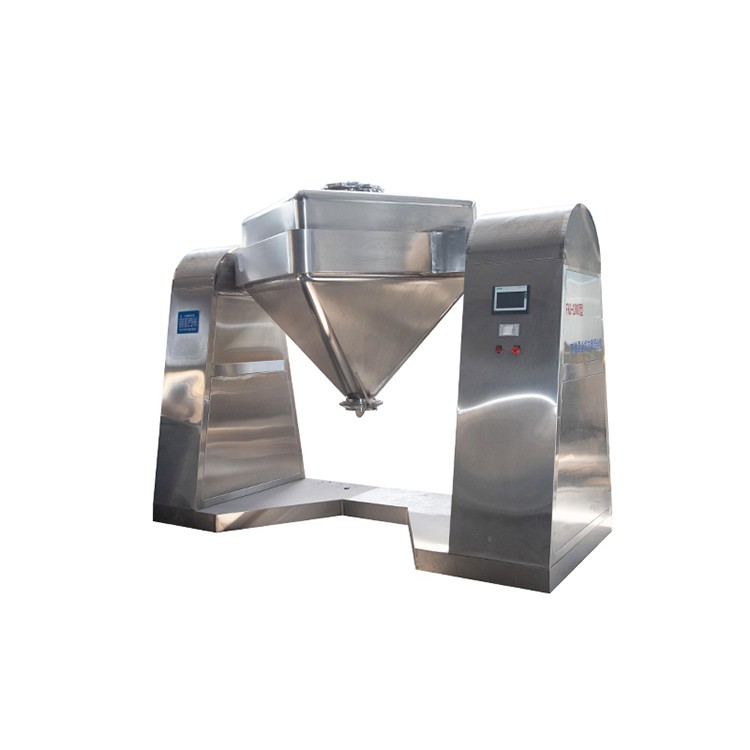
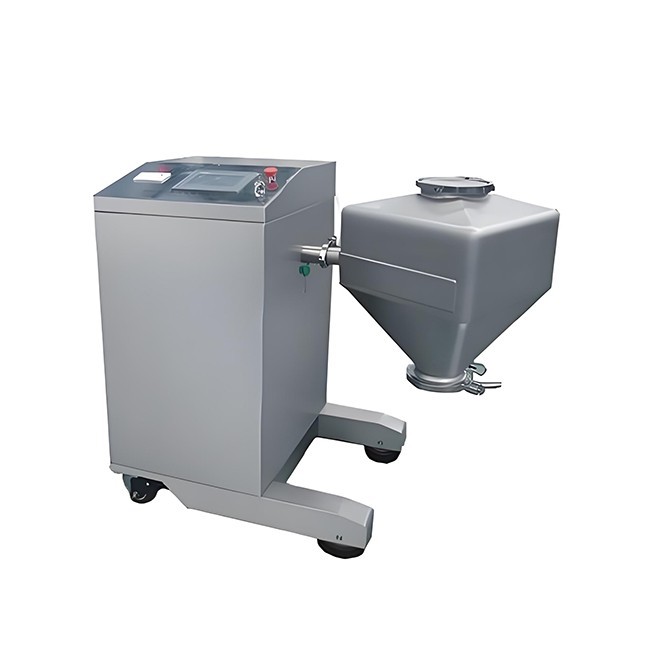
In some cases, additional equipment may be required to ensure the safe and efficient handling of fragile materials. For example, Automatic Lifting Hopper Mixer can be used to mix the materials before feeding, ensuring a homogeneous blend. Similarly, Square Cone Mixer can be used for gentle mixing of fragile materials. For small-scale applications, a Laboratory Hopper Mixer may be a suitable option.
Conclusion
In conclusion, Vacuum Feeder Machines can be used for feeding fragile materials, provided that the appropriate factors are considered and the machine is properly configured. By understanding the characteristics of the materials, adjusting the feeding rate and speed, controlling the vacuum pressure, and using a suitable feeder design, it is possible to handle fragile materials safely and efficiently. The benefits of using Vacuum Feeder Machines, such as gentle handling, hygienic transfer, efficient and precise feeding, and versatility, make them a valuable tool in many industries.
If you are interested in learning more about our Vacuum Feeder Machines or have specific requirements for handling fragile materials, please feel free to contact us for a detailed discussion. Our team of experts is ready to assist you in finding the best solution for your needs.
References
- Smith, J. (2018). Industrial Feeding Systems: Principles and Applications. Wiley.
- Jones, A. (2019). Handling Fragile Materials in Manufacturing Processes. Journal of Manufacturing Science and Engineering, 141(6), 061004.
- Brown, C. (2020). Vacuum Feeder Technology: Advancements and Innovations. International Journal of Industrial Engineering and Management, 11(2), 87-94.