




How to prevent unwanted chemical reactions during mixing in a One Dimensional Mixer?
 Oct 20, 2026|
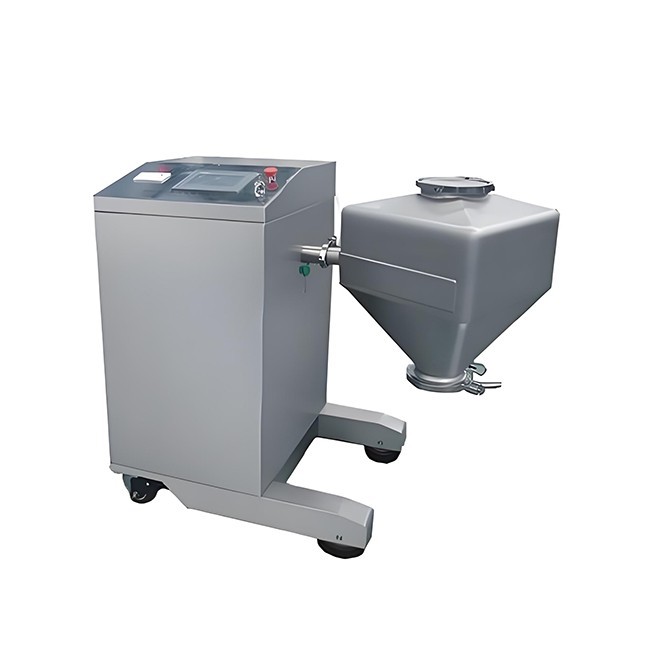
As a supplier of One Dimensional Mixers, I understand the significance of preventing unwanted chemical reactions during the mixing process. Unwanted chemical reactions can lead to product quality issues, safety hazards, and increased production costs. In this blog post, I will share some effective strategies to prevent these reactions when using a One Dimensional Mixer.
Understanding the Basics of One Dimensional Mixers
One Dimensional Mixers are designed to mix materials in a single direction, typically through a rotating drum or container. They are commonly used in industries such as pharmaceuticals, food processing, and chemical manufacturing. These mixers offer several advantages, including simplicity, cost - effectiveness, and ease of maintenance. However, during the mixing process, there is a risk of unwanted chemical reactions occurring between the mixed materials.
Factors Contributing to Unwanted Chemical Reactions
Before discussing prevention methods, it is important to understand the factors that can contribute to unwanted chemical reactions. These factors include:
Temperature
Temperature plays a crucial role in chemical reactions. An increase in temperature can accelerate the reaction rate, leading to unwanted reactions. For example, some materials may be sensitive to heat and can decompose or react with other substances when the temperature rises during the mixing process.
Pressure
Changes in pressure can also affect chemical reactions. High - pressure conditions may cause materials to react more readily, especially if the substances are volatile or reactive under pressure.

Contamination
Contamination from foreign substances, such as dust, dirt, or residual chemicals from previous batches, can initiate unwanted reactions. Even small amounts of contaminants can have a significant impact on the chemical stability of the mixed materials.
Reaction Time
The length of time the materials are in contact with each other during mixing can influence the likelihood of unwanted reactions. Prolonged mixing times may allow for more opportunities for reactions to occur.
Strategies to Prevent Unwanted Chemical Reactions
Temperature Control
Maintaining a stable temperature during the mixing process is essential. One way to achieve this is by using a temperature - controlled One Dimensional Mixer. These mixers are equipped with heating or cooling systems that can regulate the temperature within a specific range. For example, if the materials are heat - sensitive, the mixer can be set to a lower temperature to prevent decomposition or unwanted reactions.
Another approach is to pre - cool or pre - heat the materials before adding them to the mixer. This helps to ensure that the initial temperature of the materials is within the desired range, reducing the risk of temperature - induced reactions.
Pressure Management
If the mixing process involves high - pressure conditions, it is important to use a mixer that can handle the pressure safely. The mixer should be designed with appropriate pressure - resistant components and safety features. Additionally, monitoring the pressure during the mixing process can help detect any abnormal pressure changes that may lead to unwanted reactions.
Contamination Prevention
To prevent contamination, it is crucial to maintain a clean mixing environment. This includes regular cleaning of the One Dimensional Mixer and all associated equipment. Using high - quality cleaning agents and following proper cleaning procedures can help remove any residual chemicals or contaminants.
It is also important to store the materials in a clean and dry environment before mixing. Containers should be properly sealed to prevent dust and other contaminants from entering. When adding materials to the mixer, use clean tools and equipment to avoid introducing foreign substances.
Reaction Time Optimization
Optimizing the mixing time can reduce the risk of unwanted reactions. Conducting preliminary tests to determine the optimal mixing time for the specific materials is recommended. This can help ensure that the materials are thoroughly mixed without over - mixing, which could increase the likelihood of reactions.
Use of Compatible Materials
Selecting compatible materials is a fundamental step in preventing unwanted chemical reactions. Before mixing any substances, it is important to understand their chemical properties and compatibility. Some materials may react with each other under certain conditions, so it is crucial to choose materials that are chemically stable when combined.
For example, if you are mixing chemicals in a One Dimensional Mixer, refer to chemical compatibility charts to ensure that the substances are safe to mix. If necessary, consult with a chemical expert to determine the best combination of materials.
Monitoring and Analysis
Regular monitoring and analysis of the mixing process can help detect any signs of unwanted chemical reactions. This can be done through various methods, such as visual inspection, chemical analysis, and temperature and pressure monitoring.
Visual inspection can reveal any changes in the appearance of the mixed materials, such as color changes or the formation of precipitates. Chemical analysis can provide more detailed information about the chemical composition of the mixture and detect any new compounds that may have formed as a result of unwanted reactions.
Additional Equipment for Safe Mixing
In addition to the One Dimensional Mixer, there are other pieces of equipment that can enhance the safety and efficiency of the mixing process. For example, a Vacuum Feeder Machine can be used to transfer materials into the mixer without exposing them to the environment, reducing the risk of contamination.
A Laboratory Hopper Mixer can be used for small - scale mixing tests to determine the optimal mixing conditions before full - scale production. Similarly, a Laboratory Three - dimensional Mixer can provide a different mixing mechanism for testing and research purposes.
Conclusion
Preventing unwanted chemical reactions during mixing in a One Dimensional Mixer is crucial for ensuring product quality, safety, and cost - effectiveness. By understanding the factors that contribute to these reactions and implementing the strategies outlined in this blog post, you can minimize the risk of unwanted reactions and achieve optimal mixing results.
If you are interested in learning more about our One Dimensional Mixers or other mixing equipment, or if you have any questions regarding the prevention of unwanted chemical reactions, please feel free to contact us for a detailed discussion and potential procurement. We are committed to providing high - quality mixing solutions to meet your specific needs.
References
- Smith, J. (2018). Chemical Reaction Engineering. New York: Wiley.
- Brown, A. (2020). Mixing Technology in the Pharmaceutical Industry. London: Elsevier.
- Johnson, M. (2019). Advanced Temperature Control in Industrial Mixing Processes. Journal of Industrial Engineering, 45(3), 234 - 245.