




What chemical resistance requirements should a trough mixer have?
 Oct 23, 2025|
 As a trough mixer supplier, I've been getting a lot of questions about the chemical resistance requirements for these machines. It's a crucial topic, especially when you're dealing with different types of chemicals in your mixing processes. So, I thought I'd share some insights on what chemical resistance requirements a trough mixer should have.
First off, let's understand why chemical resistance matters. When you're using a trough mixer, you're often mixing various substances, some of which can be highly corrosive or reactive. If the mixer isn't chemically resistant, it can lead to a whole host of problems. The materials of the mixer can degrade over time, which not only shortens the lifespan of the equipment but can also contaminate the mixtures you're making. This can be a big issue, especially in industries like pharmaceuticals, food processing, and chemical manufacturing, where product quality is of the utmost importance.
One of the key factors in determining the chemical resistance of a trough mixer is the material it's made of. Most trough mixers are made from stainless steel, which is known for its good corrosion resistance. However, not all stainless steels are created equal. For example, 304 stainless steel is a common choice, but it may not be suitable for highly corrosive chemicals. In such cases, you might need to opt for 316 stainless steel, which contains molybdenum and offers better resistance to pitting and crevice corrosion.
Another option is to use plastic - lined trough mixers. Plastics like polyethylene, polypropylene, and PTFE (Teflon) can provide excellent chemical resistance. Polyethylene is resistant to many acids and bases and is relatively inexpensive. Polypropylene has similar properties but can withstand higher temperatures. PTFE, on the other hand, is extremely resistant to a wide range of chemicals and has a very low coefficient of friction, which can be beneficial for easy cleaning.
The type of chemicals you're mixing also plays a huge role in determining the chemical resistance requirements. If you're dealing with acids, you need to consider the concentration and strength of the acid. Strong acids like sulfuric acid and hydrochloric acid can be very corrosive, and you'll need a mixer with high - end chemical resistance. For example, a PTFE - lined trough mixer would be a great choice for handling concentrated sulfuric acid.
Bases, such as sodium hydroxide and potassium hydroxide, also require special attention. These can react with certain metals and cause corrosion. Stainless steel can handle mild bases, but for stronger ones, a plastic - lined or a more corrosion - resistant alloy might be necessary.
In addition to acids and bases, there are also solvents and other organic chemicals to consider. Some solvents, like acetone and toluene, can dissolve certain plastics and attack the surface of metals. If you're mixing these types of solvents, you need to make sure the trough mixer is made from materials that can withstand their effects. For instance, a mixer with a PTFE lining can be a good option for many organic solvents.
Now, let's talk about the different parts of a trough mixer and their chemical resistance requirements. The mixing blades are one of the most critical components. They come into direct contact with the chemicals being mixed, so they need to be highly resistant. Using high - quality stainless steel or coated blades can help ensure their longevity.
The trough itself also needs to be chemically resistant. Any leaks or corrosion in the trough can lead to product contamination and safety hazards. A well - designed trough with the right material selection is essential.

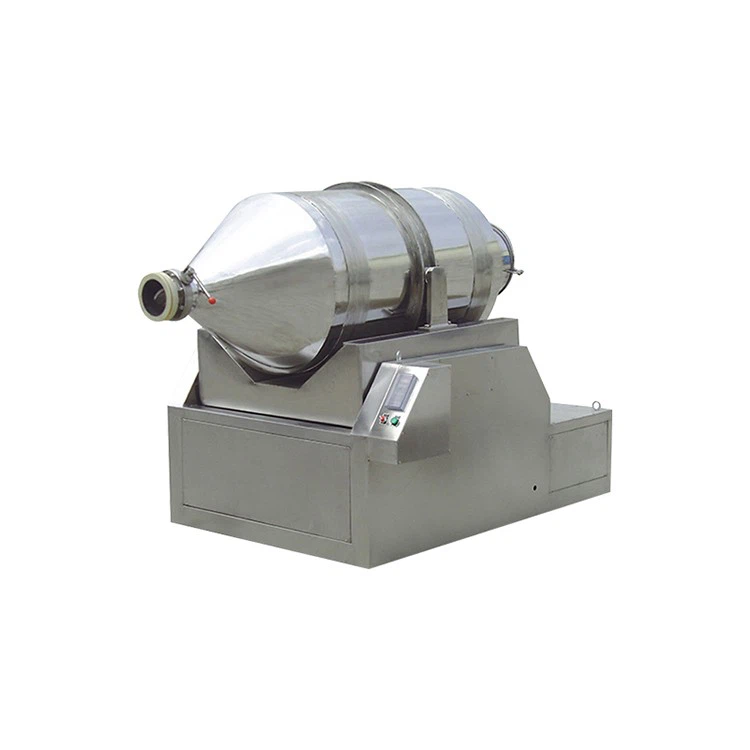
The seals and gaskets in a trough mixer are often overlooked but are equally important. These components prevent leaks and keep the chemicals inside the mixer. They need to be made from materials that are compatible with the chemicals being mixed. For example, Viton seals are resistant to many oils, fuels, and chemicals, making them a good choice for a wide range of applications.
When choosing a trough mixer, it's also important to consider the operating conditions. Temperature, pressure, and the duration of contact with the chemicals can all affect the chemical resistance of the mixer. Higher temperatures can accelerate chemical reactions and increase the rate of corrosion. So, if you're operating at elevated temperatures, you need to select materials that can withstand these conditions.
As a trough mixer supplier, I understand that every customer's needs are different. That's why we offer a variety of options to meet different chemical resistance requirements. Whether you're looking for a Laboratory Hopper Mixer for small - scale testing or a large - scale trough mixer for industrial production, we can help you find the right solution.
We also have Two Dimensional Mixer and Square Cone Mixer options available, which can be used in conjunction with trough mixers depending on your specific mixing requirements.
If you're in the market for a trough mixer and have questions about chemical resistance or any other aspect of our products, don't hesitate to reach out. We're here to help you make the right choice for your business. Whether you're in the pharmaceutical, food, or chemical industry, we can provide you with a trough mixer that meets your exact needs. Contact us today to start the procurement discussion and find the perfect trough mixer for your operations.
References
- "Corrosion Resistance of Metals and Alloys" by ASM International
- "Handbook of Chemical Resistance" by Carl A. Pansini