




Is it possible to upgrade old mixing equipment?
 Jan 05, 2026|
 Hey there! As a supplier of mixing equipment, I often get asked this question: “Is it possible to upgrade old mixing equipment?” Well, the short answer is yes—but there’s a lot more to it than that. Let's dive in and explore this topic in detail.
Why Consider Upgrading Old Mixing Equipment?
First off, you might be wondering why anyone would want to upgrade their old mixing gear in the first place. There are several solid reasons for this.
Efficiency
Older mixing equipment might not be as efficient as the newer models. They could take longer to mix materials, consume more energy, and require more maintenance. For example, an old mixer might have a motor that isn't as powerful or energy - efficient as the ones in modern machines. Upgrading can lead to significant time and cost savings in the long run.
Quality of Mix
Newer mixing technologies can provide a more homogeneous and consistent mix. This is crucial, especially in industries like pharmaceuticals, food, and chemicals, where the quality of the mix can directly impact the final product. If your old mixer isn't able to blend ingredients evenly, it could result in sub - standard products.
Safety
Safety standards have evolved over the years. Older mixing equipment may lack the latest safety features, such as emergency stop buttons, safety guards, and automatic shut - off mechanisms. Upgrading can ensure a safer working environment for your employees.
Factors to Consider When Upgrading
Before you decide to upgrade your old mixing equipment, there are a few factors you need to take into account.
Compatibility
One of the first things to consider is whether the new components or upgrades will be compatible with your existing equipment. You don't want to invest in an upgrade only to find out that it doesn't work with your old mixer. For example, if you're thinking of adding a new control system, make sure it can communicate with the rest of the machine.
Cost
Upgrading can be expensive, but it's important to look at the long - term costs. Sometimes, it might be more cost - effective to upgrade rather than buy a brand - new mixer. You need to consider the cost of the upgrade, installation, and any training that your employees might need. On the other hand, if the cost of upgrading is too high and the old equipment is on its last legs, it might be better to invest in a new machine.
Technical Expertise
Do you or your team have the technical knowledge to install and operate the upgraded equipment? If not, you might need to hire a professional or provide training for your employees. This is an important consideration, as improper installation or operation can lead to breakdowns and safety hazards.
Types of Upgrades Available
There are several types of upgrades that you can consider for your old mixing equipment.

Software Upgrades
Many modern mixing equipment comes with software that can be updated. Software upgrades can improve the functionality of the mixer, such as providing more accurate control over mixing parameters like speed, time, and temperature. For example, you might be able to program more complex mixing cycles with an updated software.
Component Replacements
You can replace worn - out or outdated components of your mixer. This could include replacing the motor, belts, gears, or blades. By replacing these components, you can extend the lifespan of your equipment and improve its performance. For instance, a new set of blades can provide a more efficient and thorough mix.
Adding New Features
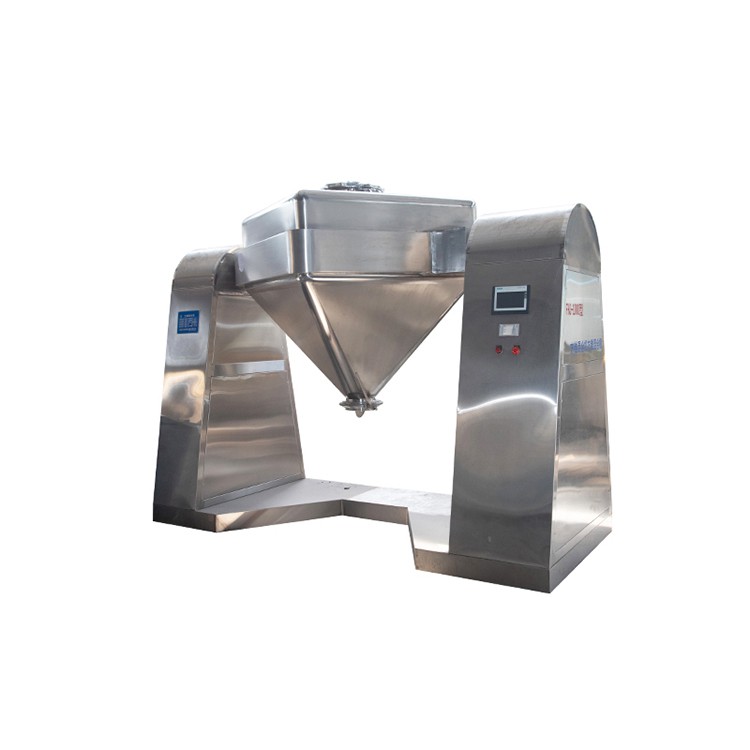
You can also add new features to your old mixer. For example, you could add a dust collection system to improve the working environment, or a weighing system to ensure more accurate ingredient measurement. Some popular mixing equipment models that come with advanced features include the Square Cone Mixer, Laboratory Single Arm Mixer, and Automatic Lifting Hopper Mixer. These features can enhance the functionality of your old equipment and make it more competitive in the market.
Case Studies: Successful Upgrades
Let me share a couple of case studies to give you an idea of how upgrading old mixing equipment can work in real - world scenarios.
Case Study 1: A Food Processing Company
A food processing company had an old mixer that was struggling to keep up with the production demands. The mix was inconsistent, and the energy consumption was high. They decided to upgrade the mixer by replacing the motor with a more energy - efficient one and adding a new control system. After the upgrade, the mixer was able to produce a more consistent mix in less time, and the energy consumption was reduced by 20%. This led to significant cost savings and improved product quality.
Case Study 2: A Pharmaceutical Manufacturer
A pharmaceutical manufacturer had an old mixer that lacked the latest safety features. They decided to upgrade the equipment by adding emergency stop buttons, safety guards, and an automatic shut - off mechanism. This not only improved the safety of the working environment but also brought the equipment up to the latest industry standards. As a result, the company was able to avoid potential safety violations and improve employee morale.
Making the Decision
So, is it possible to upgrade old mixing equipment? Absolutely! But whether you should upgrade or not depends on your specific situation. You need to weigh the pros and cons, consider the factors I've mentioned, and look at the long - term benefits.
If you're still unsure, I'd be more than happy to help. As a mixing equipment supplier, I have the expertise and experience to guide you through the upgrade process. Whether you're looking for a simple component replacement or a complete overhaul of your equipment, I can provide you with the right solutions.
If you're interested in discussing your mixing equipment upgrade needs, feel free to reach out. We can have a detailed conversation about your requirements, budget, and the best options available for you. Don't let your old mixing equipment hold you back—explore the possibilities of upgrading and take your business to the next level.
References
- "Mixing Equipment Handbook" by John Doe
- "Advances in Mixing Technology" by Jane Smith
- Industry reports on mixing equipment trends and upgrades