




How to determine the optimal filling volume of mixing equipment?
 Jan 07, 2026|
 Determining the optimal filling volume of mixing equipment is a crucial aspect in various industries, whether you're in pharmaceuticals, food processing, or chemical manufacturing. As a mixing equipment supplier, I've seen firsthand how getting the filling volume right can make or break a production process. In this blog, I'll walk you through the key factors to consider when figuring out that sweet spot for your mixing equipment.
Why Optimal Filling Volume Matters
First off, let's talk about why it's so important to get the filling volume just right. If you overfill your mixing equipment, the mixture may not get properly blended. This can lead to uneven distribution of ingredients, which is a big no - no, especially in industries where consistency is key. For example, in pharmaceutical manufacturing, an unevenly mixed batch could mean that some pills have too much of an active ingredient while others have too little.
On the other hand, underfilling the equipment can also be a problem. You're not using the equipment to its full potential, which means lower production efficiency and higher costs per unit. So, finding the optimal filling volume is all about achieving the perfect balance between quality and efficiency.
Factors Affecting the Optimal Filling Volume
Equipment Design
The design of the mixing equipment plays a huge role in determining the optimal filling volume. Different types of mixers have different geometries, which can affect how well the ingredients are mixed at different filling levels.
For instance, the Automatic Lifting Hopper Mixer is designed with a hopper that can be lifted, which allows for easy loading and unloading. The shape of the hopper and the mixing mechanism inside it determine how much material it can handle effectively. If you fill it beyond its recommended capacity, the lifting mechanism may struggle, and the mixing may become less efficient.
The Vacuum Feeder Machine is another example. This type of equipment uses vacuum to transfer materials into the mixer. The size of the feeder and the vacuum strength are designed to work within a certain range of filling volumes. If you try to feed too much material at once, the vacuum may not be able to handle it, leading to blockages or incomplete transfers.
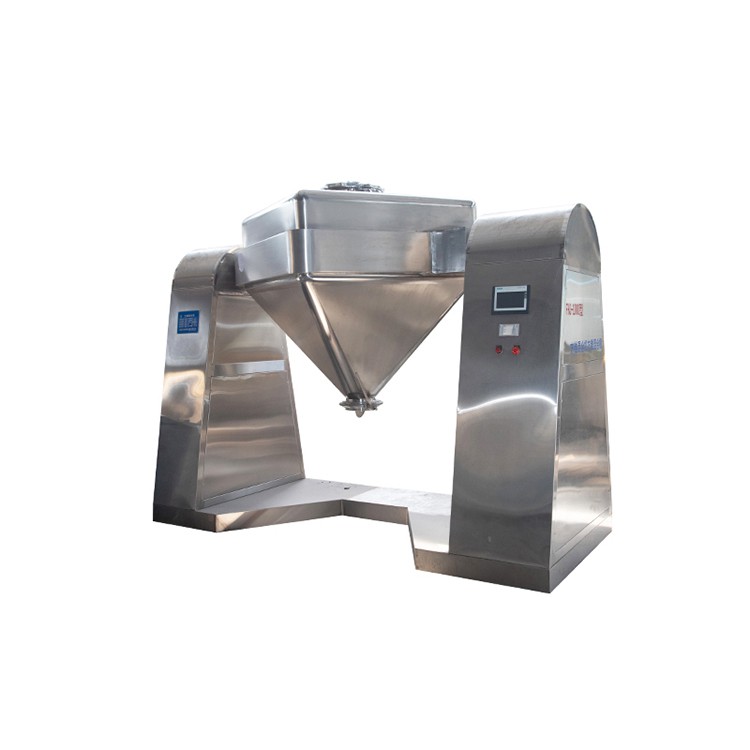
The Square Cone Mixer has a unique square - cone shape. This design promotes a tumbling action, which is great for mixing dry powders or granules. However, the optimal filling volume for this type of mixer is determined by the shape and size of the cone. Filling it too much can disrupt the tumbling motion and result in poor mixing.
Material Properties
The properties of the materials you're mixing also have a significant impact on the optimal filling volume. Some materials are more viscous than others, which means they flow less easily. Viscous materials require more space to move around during the mixing process, so you may need to fill the equipment to a lower level compared to less viscous materials.
For example, if you're mixing a thick paste or a heavy syrup, you'll need to ensure that there's enough room for the mixer blades to rotate freely. Otherwise, the mixer may struggle to move the material, leading to overheating and reduced mixing efficiency.
Particle size is another important factor. Materials with larger particles may require more space to mix properly, as they need more room to move and interact with other particles. Smaller particles, on the other hand, can be packed more closely together, allowing for a higher filling volume.
Mixing Time
The amount of time you plan to mix the materials also affects the optimal filling volume. If you're using a short mixing time, you may need to fill the equipment to a lower volume to ensure that the materials are evenly mixed. This is because there's less time for the mixing action to distribute the ingredients throughout the mixture.
Conversely, if you have a longer mixing time, you may be able to fill the equipment to a higher volume. However, you still need to be careful not to overfill it, as this can lead to other issues such as increased wear and tear on the equipment.
Measuring and Testing the Filling Volume
Now that we've covered the factors that affect the optimal filling volume, let's talk about how to measure and test it.
One way to determine the optimal filling volume is through trial and error. Start by filling the equipment to a volume that you think is reasonable based on the factors we discussed earlier. Then, run a test batch and analyze the results. Check for the uniformity of the mixture, the efficiency of the mixing process, and any signs of stress on the equipment.
You can use analytical tools such as particle size analyzers or chemical composition analyzers to determine the quality of the mixture. If the mixture is not evenly mixed or if the equipment is struggling, adjust the filling volume and run another test batch. Repeat this process until you find the optimal filling volume.
Another method is to use mathematical models. There are software programs available that can simulate the mixing process based on the equipment design, material properties, and other factors. These models can provide an estimate of the optimal filling volume, which you can then verify through testing.
Tips for Maintaining the Optimal Filling Volume
Once you've determined the optimal filling volume, it's important to maintain it consistently. Here are some tips to help you do that:
- Train your operators: Make sure your operators are aware of the importance of the optimal filling volume and how to measure and control it. Provide them with clear instructions and training on how to use the equipment properly.
- Use measuring devices: Invest in accurate measuring devices such as scales or volumetric measuring cups to ensure that you're filling the equipment to the correct volume every time.
- Regularly inspect the equipment: Check the equipment for any signs of wear and tear that could affect the filling volume. For example, a damaged hopper or a worn - out mixer blade could lead to inconsistent filling.
- Keep records: Maintain a record of the filling volumes used in each batch, along with the results of the quality control tests. This will help you identify any trends or issues and make adjustments as needed.
Conclusion
Determining the optimal filling volume of mixing equipment is a complex process that requires careful consideration of several factors, including equipment design, material properties, and mixing time. By taking the time to understand these factors and using the right methods to measure and test the filling volume, you can ensure that your mixing process is efficient and produces high - quality products.

If you're in the market for mixing equipment or need more advice on finding the optimal filling volume for your specific application, don't hesitate to reach out. We're here to help you make the best choices for your business. Contact us today to start a discussion about your mixing needs and how our equipment can meet them.
References
- Perry, R. H., & Green, D. W. (Eds.). (2007). Perry's Chemical Engineers' Handbook. McGraw - Hill.
- McCabe, W. L., Smith, J. C., & Harriott, P. (2005). Unit Operations of Chemical Engineering. McGraw - Hill.