




How does a Lifting Hopper Mixer ensure uniform mixing?
 Oct 16, 2025|
 As a supplier of Lifting Hopper Mixers, I've witnessed firsthand the critical role these machines play in various industries. The ability to ensure uniform mixing is at the heart of their functionality, and in this blog, I'll delve into the mechanisms and features that make it possible.
Understanding the Basics of a Lifting Hopper Mixer
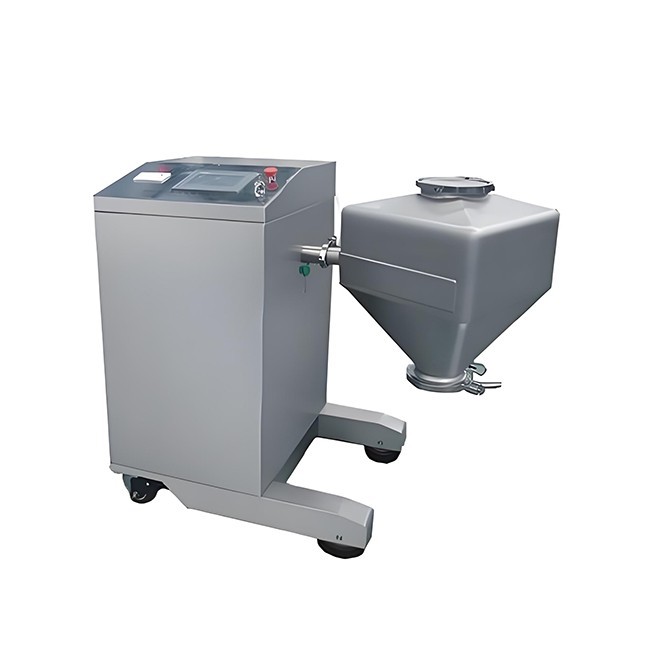
A Lifting Hopper Mixer combines the functions of lifting and mixing. It typically consists of a hopper where the materials are loaded, a lifting mechanism that raises the hopper to the mixing position, and a mixing chamber where the actual blending occurs. This design allows for easy loading and unloading of materials, which is especially beneficial when dealing with different batches or when cleaning between operations.
Key Factors in Achieving Uniform Mixing
1. Design of the Mixing Chamber
The shape and internal structure of the mixing chamber are crucial for uniform mixing. A well - designed chamber ensures that materials are constantly in motion and are thoroughly blended. For example, some Lifting Hopper Mixers have a conical or cylindrical shape with specially designed baffles. These baffles disrupt the flow of materials, preventing them from following a predictable path and promoting more random movement. As a result, different particles have more opportunities to interact and mix evenly.
2. Rotational Speed and Direction
The rotational speed of the mixing chamber is another important factor. A proper speed ensures that the materials are agitated enough to break up clumps and distribute evenly. If the speed is too slow, the materials may not mix thoroughly, while an excessively high speed can cause the materials to separate or create a centrifugal force that keeps them against the walls of the chamber. Additionally, some Lifting Hopper Mixers are designed to change the direction of rotation periodically. This alternating movement further enhances the mixing effect by exposing the materials to different flow patterns.
3. Lifting and Discharging Process
The lifting and discharging process also contributes to uniform mixing. When the hopper is lifted, the materials are in a suspended state, which allows for better distribution. During the discharging process, the design of the discharge port ensures that the mixed materials are released evenly. This is important because if the discharge is uneven, it can lead to inconsistencies in the final product.
Advanced Features for Enhanced Mixing
1. Variable Frequency Drive (VFD)
Many modern Lifting Hopper Mixers are equipped with a Variable Frequency Drive. This technology allows for precise control of the rotational speed of the mixing chamber. Operators can adjust the speed according to the specific requirements of the materials being mixed. For example, when mixing delicate or powdery materials, a lower speed may be used to prevent dust generation and ensure gentle mixing. On the other hand, for more viscous or difficult - to - mix materials, a higher speed can be selected to achieve better blending.
2. Multiple Mixing Modes
Some Lifting Hopper Mixers offer multiple mixing modes. These modes can include continuous mixing, intermittent mixing, or a combination of both. Continuous mixing is suitable for large - scale production where a constant supply of mixed materials is required. Intermittent mixing, on the other hand, can be used when more control is needed, such as when mixing materials with different densities or when adding additives at specific intervals.
3. Automated Control Systems
Automated control systems are becoming increasingly common in Lifting Hopper Mixers. These systems can monitor and adjust various parameters such as rotational speed, mixing time, and temperature. They can also store different mixing recipes, allowing for easy replication of the mixing process for different batches. This not only ensures uniform mixing but also improves the overall efficiency and consistency of the production process.
Applications and Complementary Equipment
Lifting Hopper Mixers are widely used in industries such as pharmaceuticals, food processing, chemical manufacturing, and cosmetics. In the pharmaceutical industry, for example, they are used to mix active ingredients with excipients to ensure a consistent dosage in each tablet or capsule. In the food industry, they can be used to mix different ingredients for baking, such as flour, sugar, and spices.
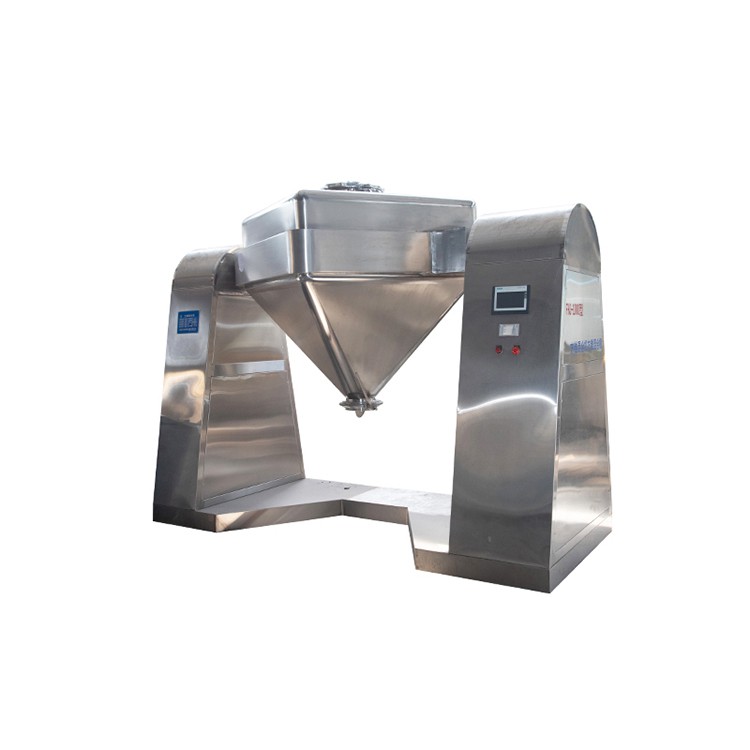
In addition to their standalone functionality, Lifting Hopper Mixers can be used in conjunction with other equipment to further enhance the mixing process. For instance, a Vacuum Feeder Machine can be used to load materials into the hopper in a controlled and dust - free manner. This is especially important when dealing with fine powders or hazardous materials. A Square Cone Mixer can be used for preliminary mixing before the materials are transferred to the Lifting Hopper Mixer for final blending. And a Laboratory Hopper Mixer can be used for small - scale testing and development of new products.
Conclusion and Call to Action
In conclusion, a Lifting Hopper Mixer ensures uniform mixing through a combination of well - designed components, advanced features, and proper operation. The design of the mixing chamber, rotational speed and direction, lifting and discharging process, as well as advanced technologies like VFD and automated control systems all contribute to achieving a high level of mixing uniformity.
If you're in an industry that requires precise and uniform mixing, a Lifting Hopper Mixer could be the solution you need. Whether you're looking to upgrade your existing mixing equipment or starting a new production line, we can provide you with the right Lifting Hopper Mixer tailored to your specific requirements. Don't hesitate to contact us to discuss your needs and explore how our products can improve your production process.
References
- Perry, R. H., & Green, D. W. (1997). Perry's Chemical Engineers' Handbook. McGraw - Hill.
- Singh, R. P., & Heldman, D. R. (2009). Introduction to Food Engineering. Academic Press.